Anesthesia Assistant News
-
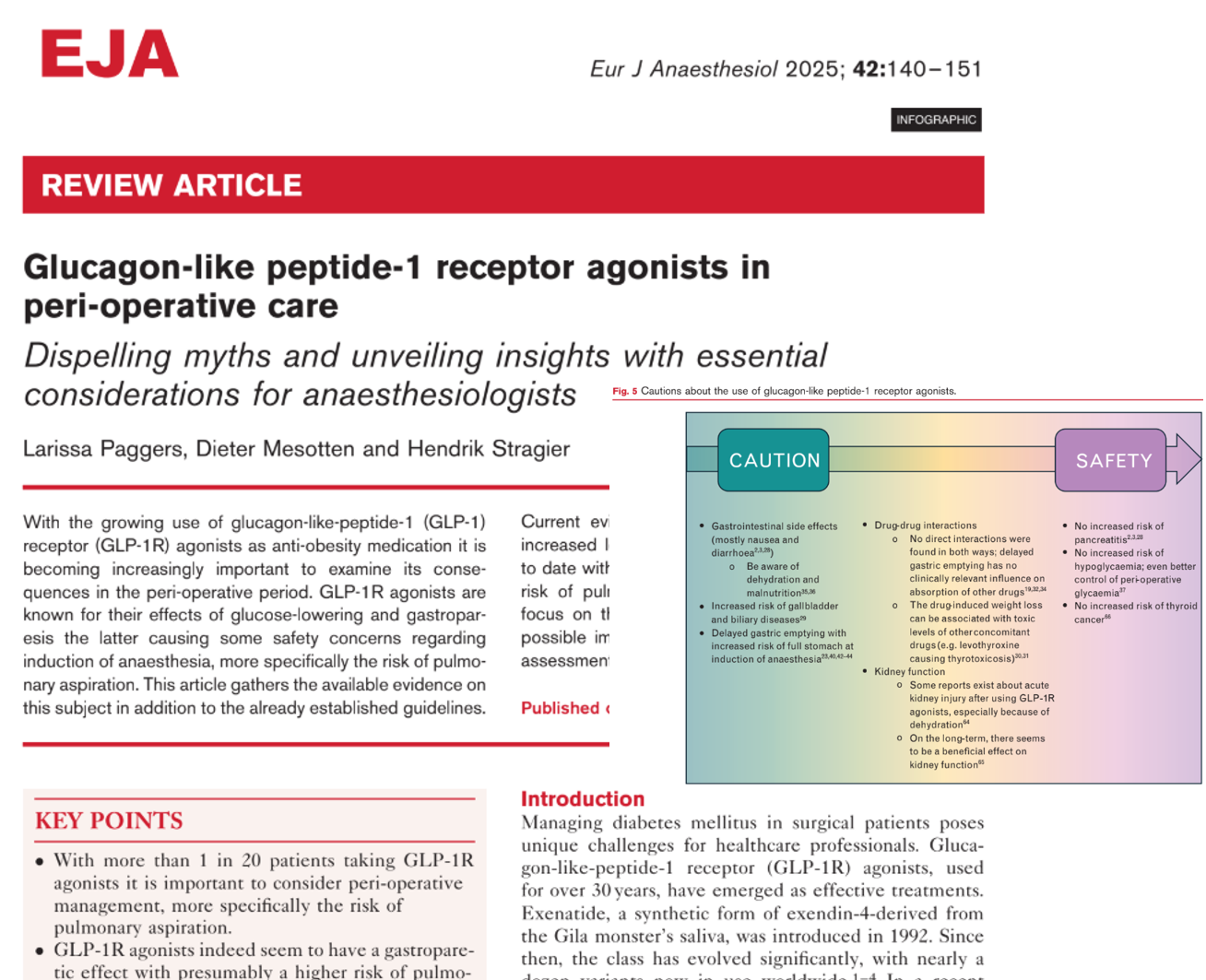
GLP-1
Short summary
-
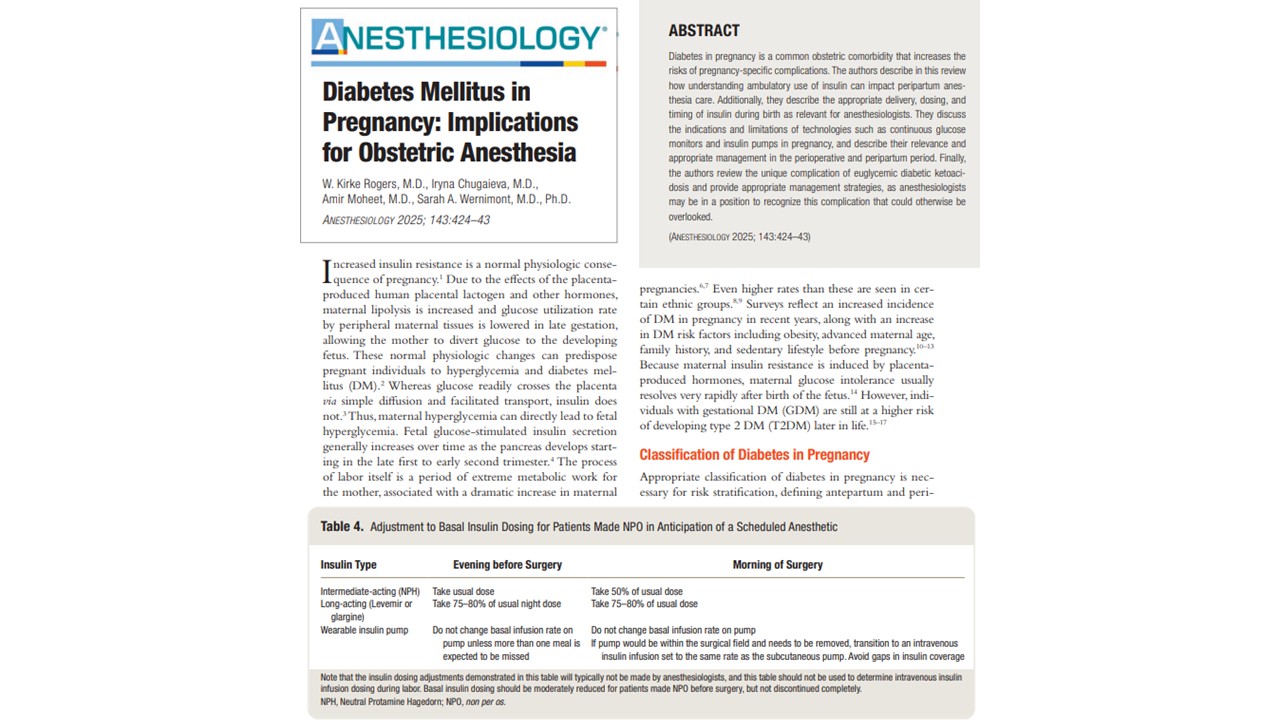
Diabetes in Pregnancy
Diabetes mellitus (DM) in pregnancy, whether preexisting (Type 1 or Type 2) or gestational (GDM), is one of the most common comorbidities...
-
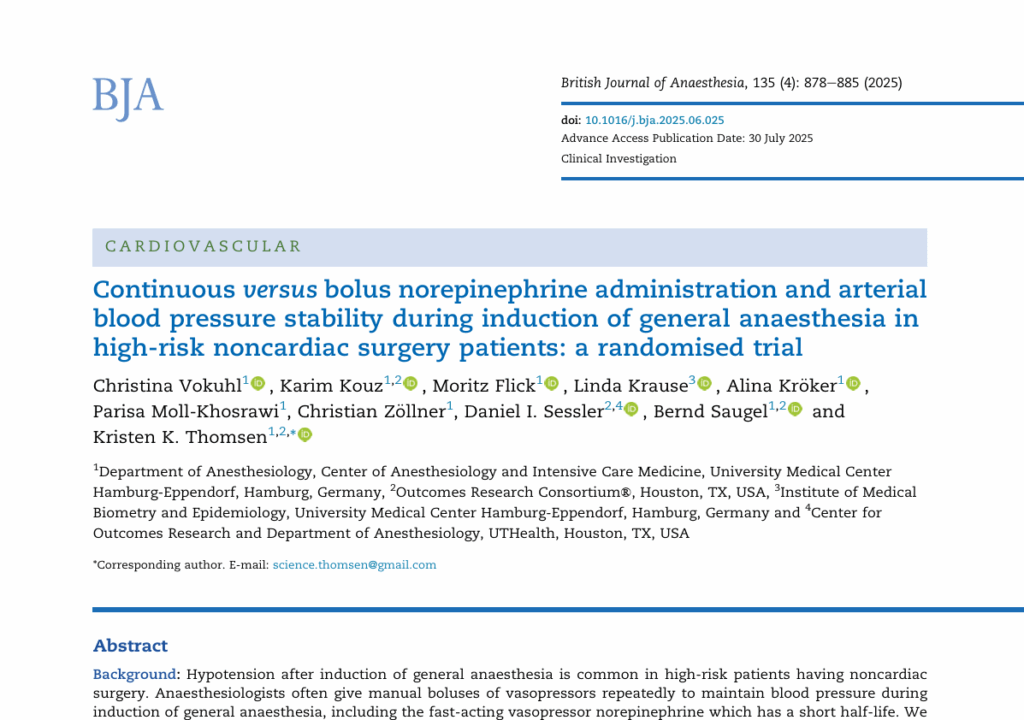
Optimizing Hemodynamic Stability During Induction
Postinduction hypotension is a common and clinically significant challenge during the initiation of general anesthesia, particularly in h...
-
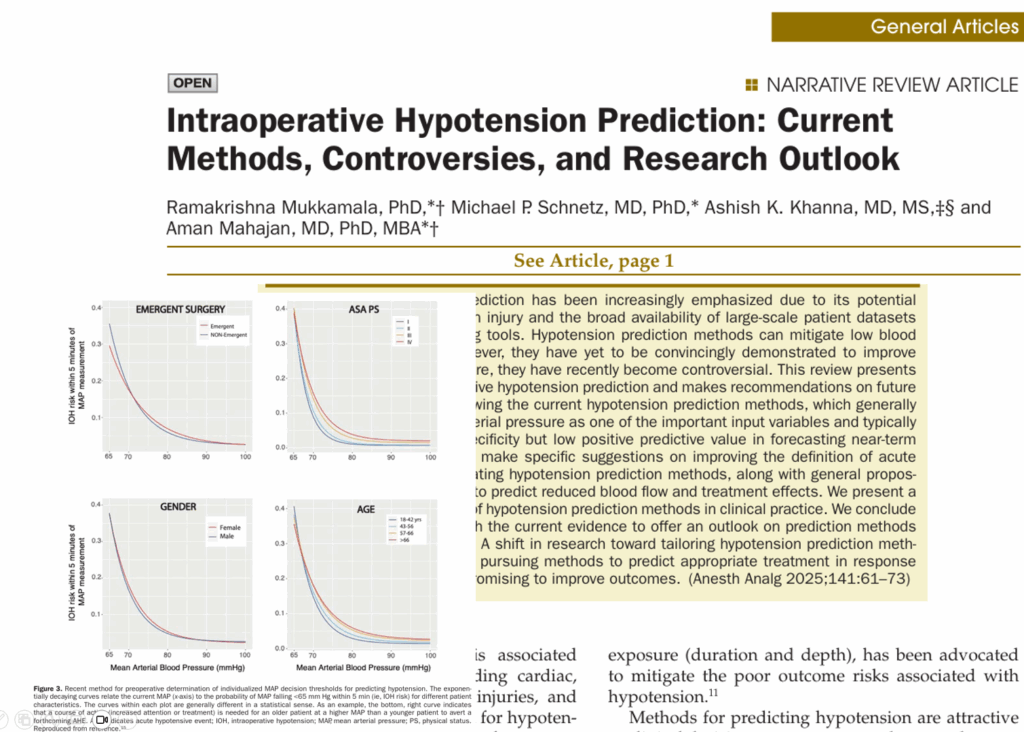
Intraoperative Hypotension Prediction
Intraoperative hypotension (IOH) is a common and significant complication associated with increased risks of myocardial injury, acute kid...
-
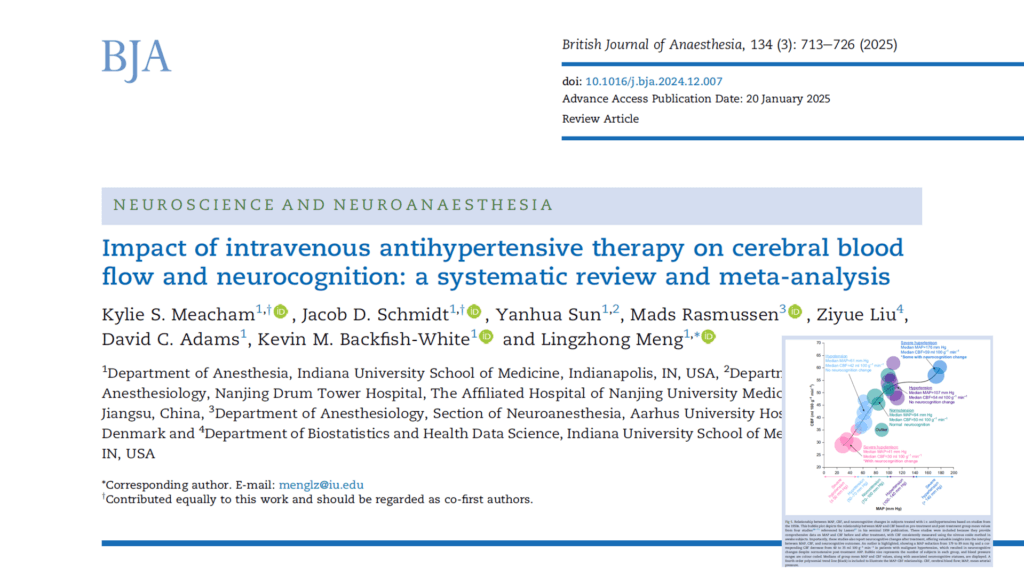
IV Antihypertensives & Cerebral Blood Flow
Intravenous (IV) antihypertensive medications are essential tools for managing severe or acute hypertension in perioperative, emergency,...
-
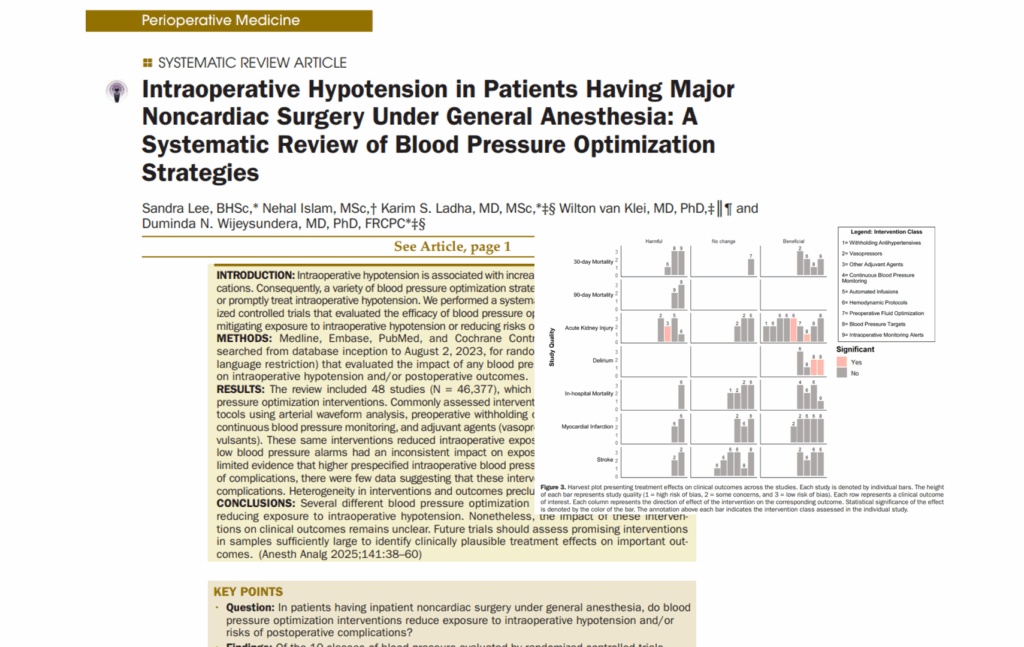
Hypotension During General Anesthesia
Intraoperative hypotension (IOH) during major noncardiac surgery under general anesthesia (GA) is strongly linked to serious postoperativ...
-
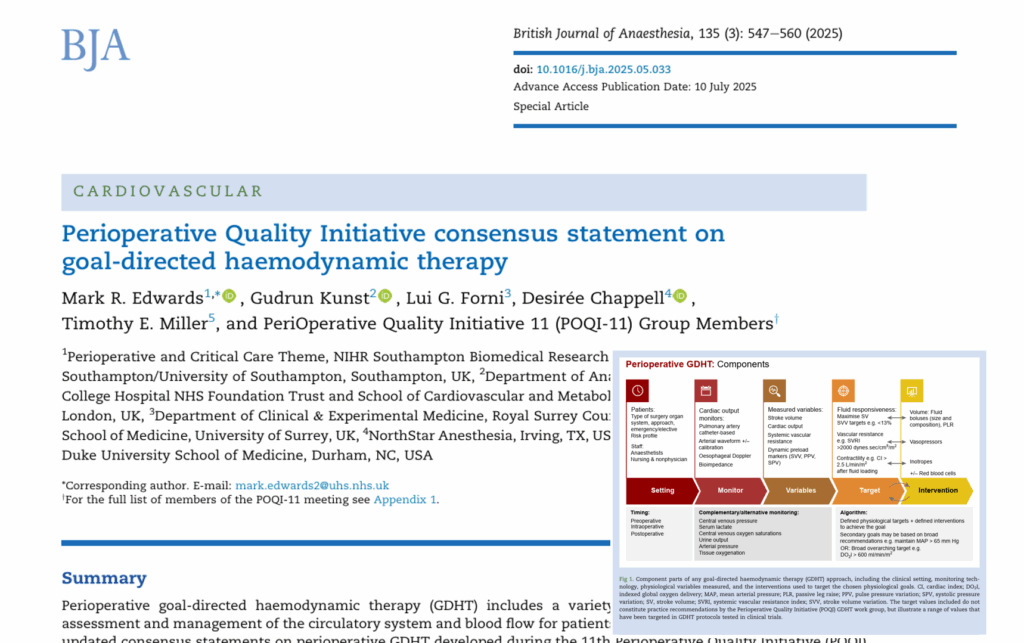
Perioperative Goal-Directed Hemodynamic Therapy
Effective perioperative hemodynamic management is a cornerstone of modern anesthesia and surgical care. It aims to maintain adequate tiss...
-
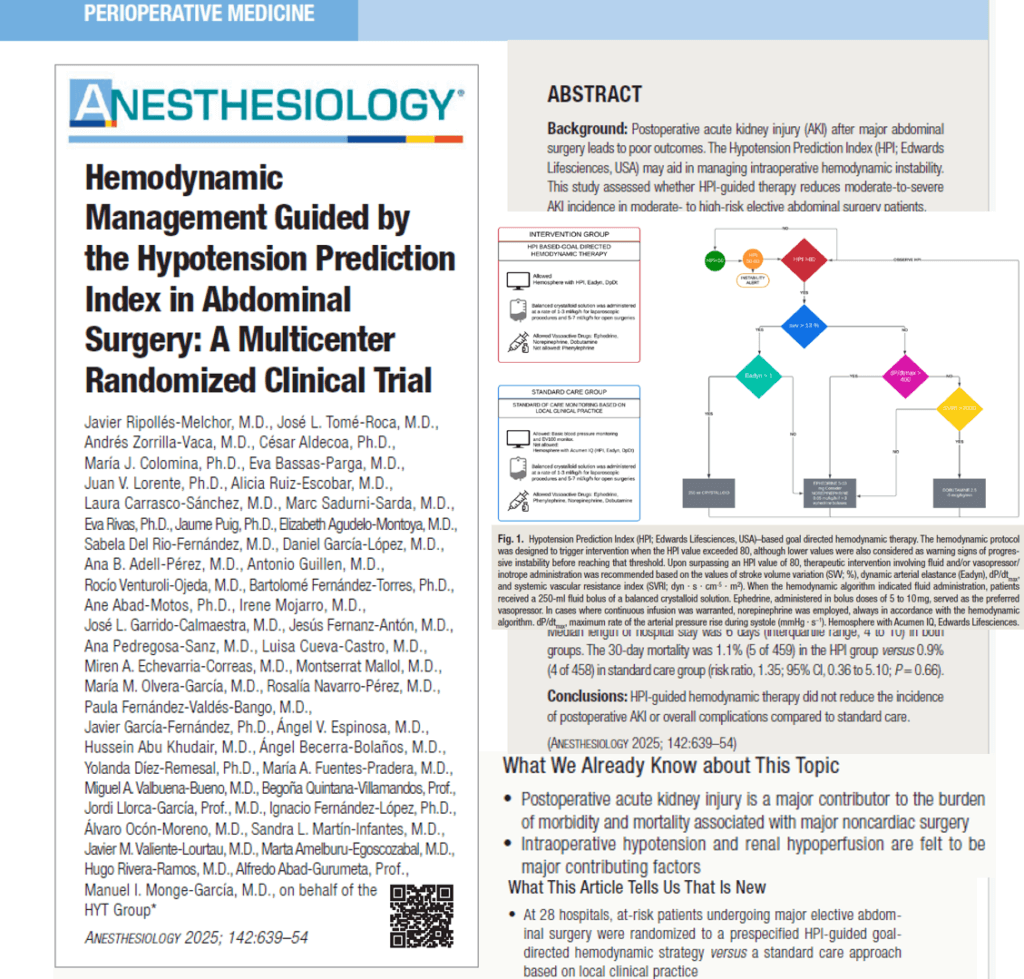
HPI-Guided Hemodynamic Management in Abdominal Surgery
Postoperative acute kidney injury (AKI) remains a frequent and severe complication after major abdominal surgery, contributing significan...
-
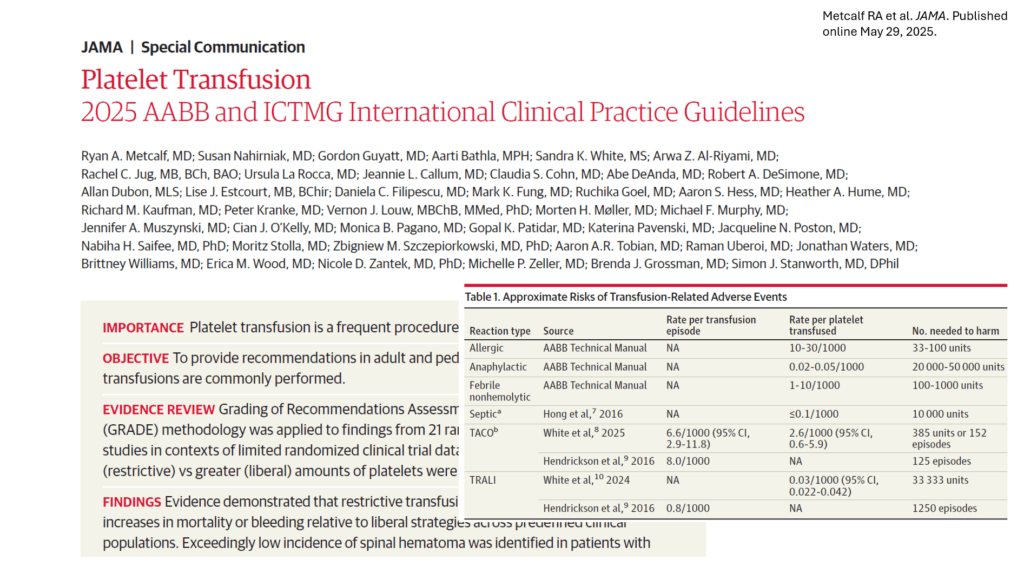
Platelet Transfusion in 2025
Platelet transfusion remains a common intervention in clinical practice for patients with thrombocytopenia or platelet dysfunction. Howev...
-
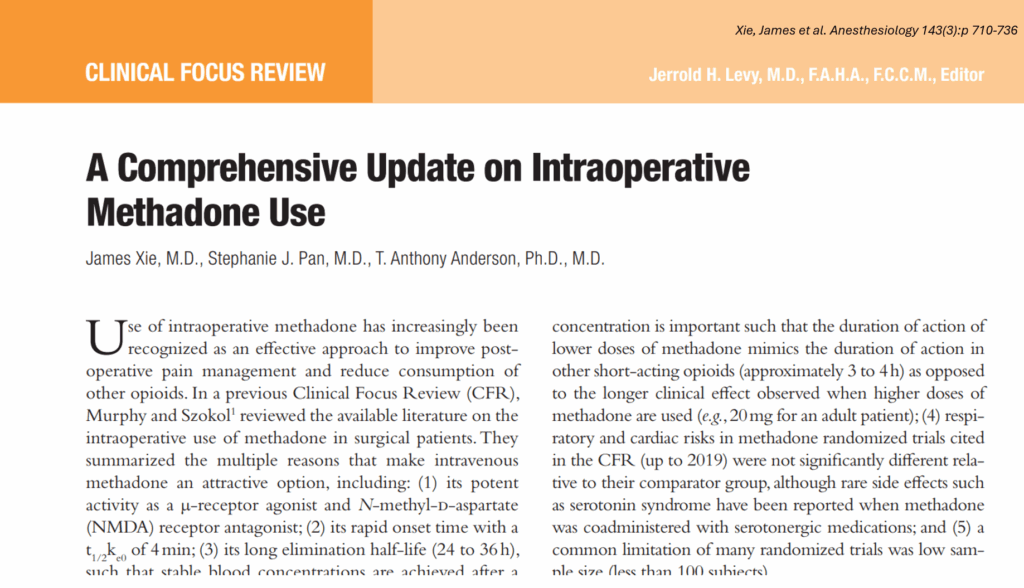
Intraoperative Methadone in Anesthesia Practice
Postoperative pain remains a major contributor to delayed recovery, prolonged hospital stays, and patient dissatisfaction. Despite widesp...
-
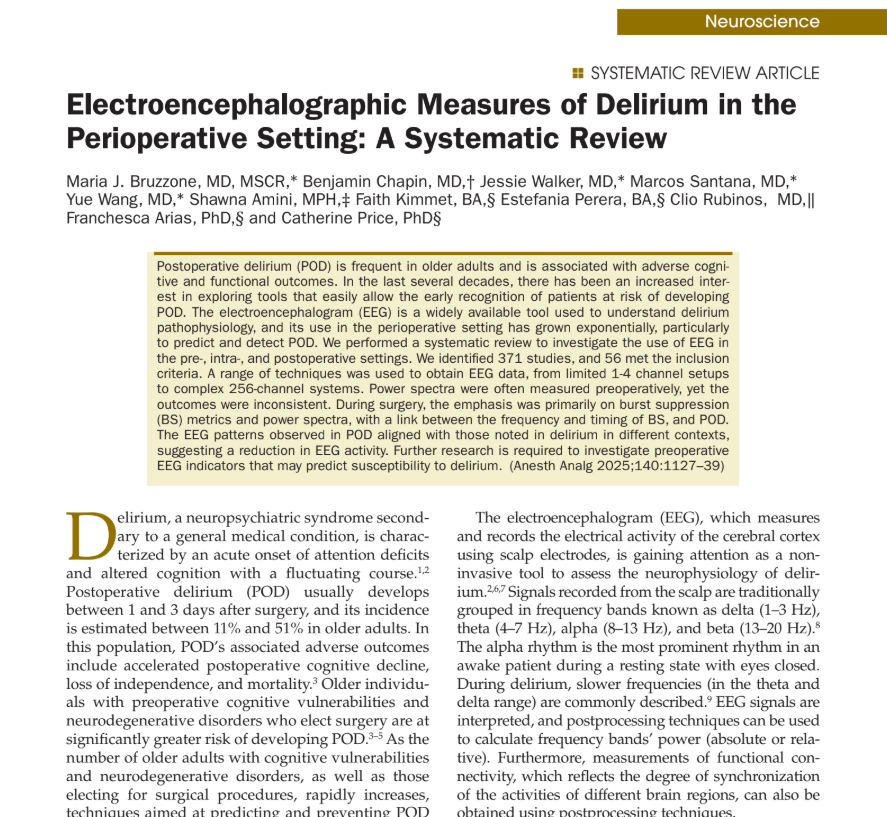
Electroencephalographic Monitoring for Postoperative Delirium
Postoperative delirium (POD) is a common and serious complication in older surgical patients, with an incidence of 11–51%. It contributes...
-
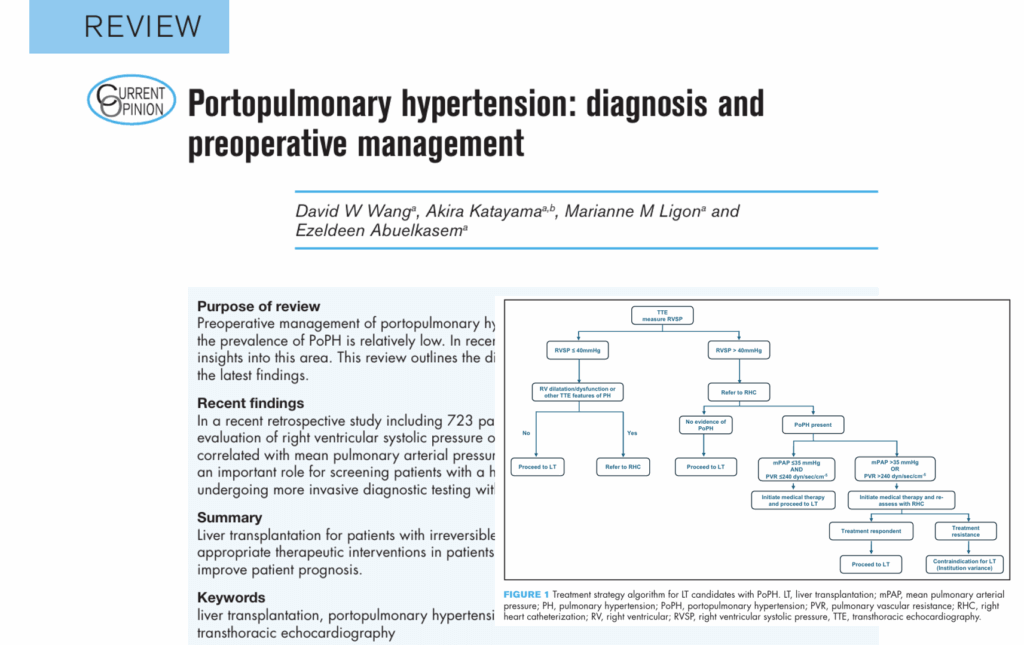
Portopulmonary Hypertension
Portopulmonary hypertension (PoPH) is a specific form of pulmonary arterial hypertension (PAH) that occurs in the context of portal hyper...
-

Perioperative Management of Non-Insulin Diabetes Medicines
Type 2 diabetes mellitus (T2DM) affects approximately 25% of patients undergoing surgery, and its prevalence is rising with the global ob...
-
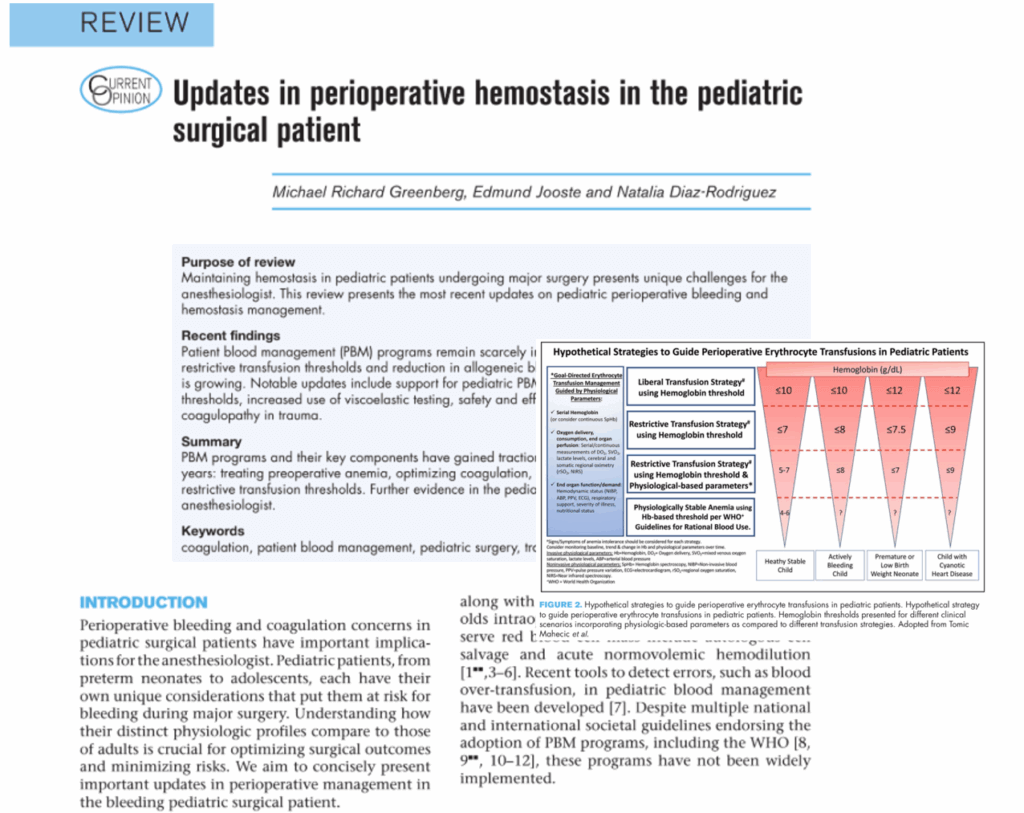
Perioperative Hemostasis in the Pediatric Surgical Patient
Pediatric surgical patients present a unique challenge in perioperative bleeding management due to their distinct developmental hemostasi...
-
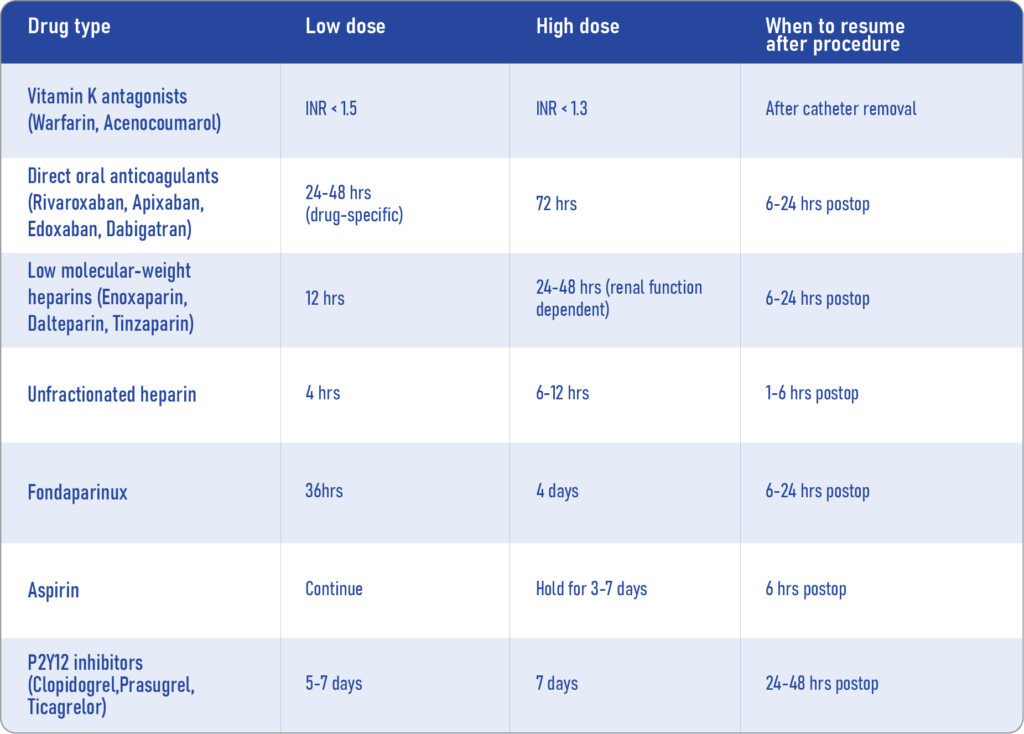
Regional Anesthesia in Patients on Antithrombotic Drugs
This update summarizes essential guidance for anesthesiologists managing patients on anticoagulant and antiplatelet therapy undergoing re...
-
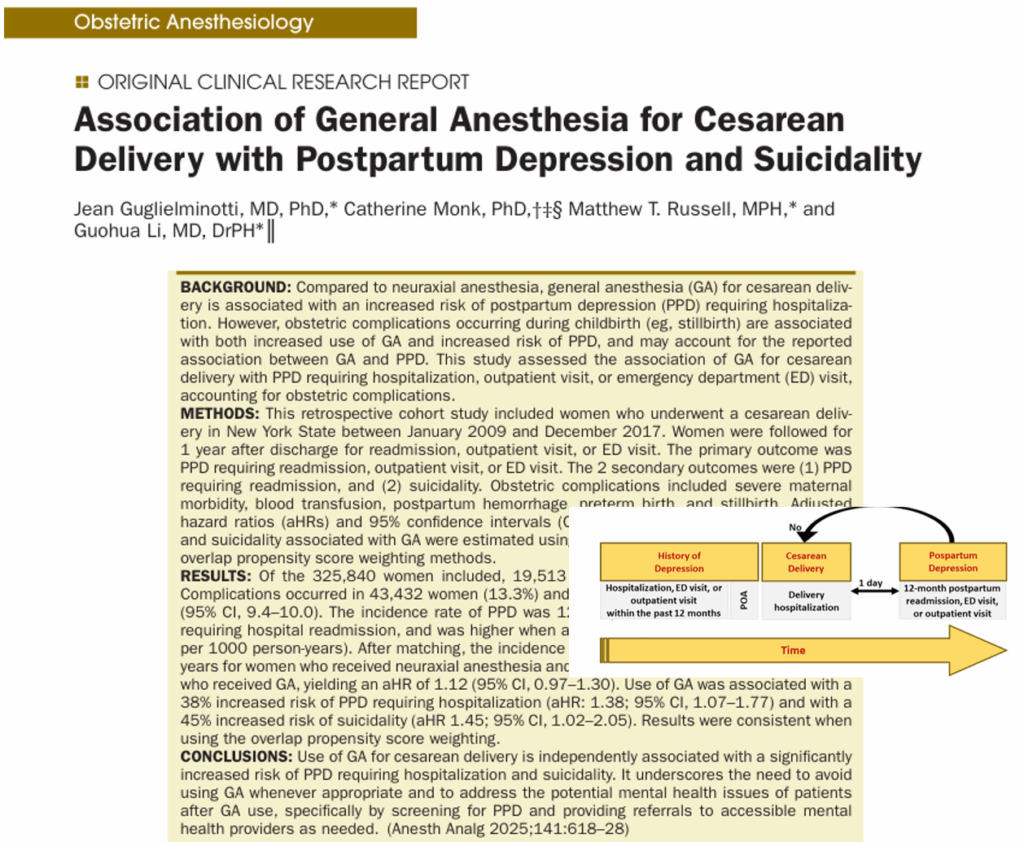
GA for Cesarean Delivery and Risk of Postpartum Depression
Cesarean deliveries account for over 1.2 million procedures annually in the U.S., making them one of the most common inpatient surgeries....
-
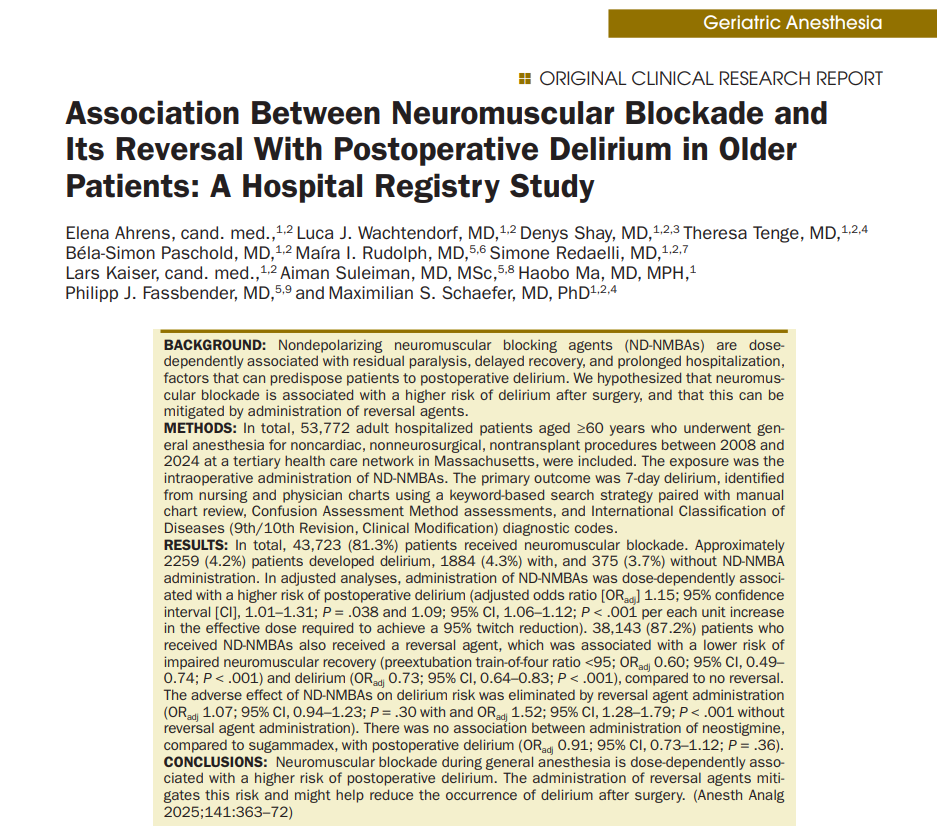
Neuromuscular Blockade and Postoperative Delirium
Postoperative delirium (POD) is a frequent and serious complication in older surgical patients. It is linked to prolonged hospitalization...
-
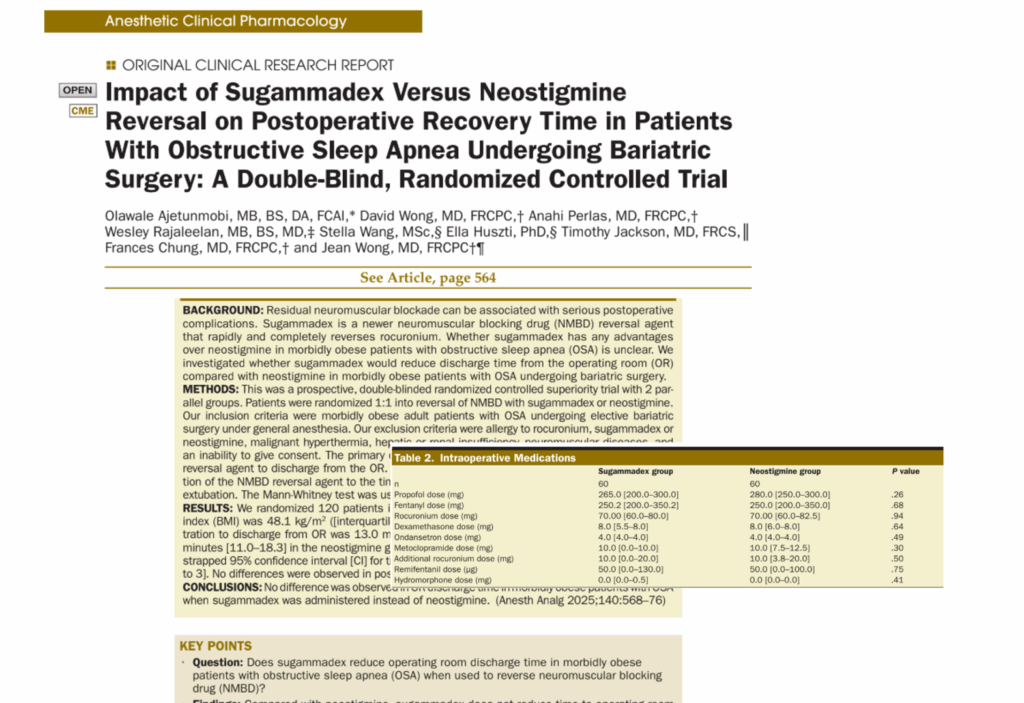
Sugammadex or Neostigmine in Bariatric Patients with OSA
The safe and timely recovery of surgical patients from general anesthesia is a fundamental goal of modern anesthetic practice, especially...
-
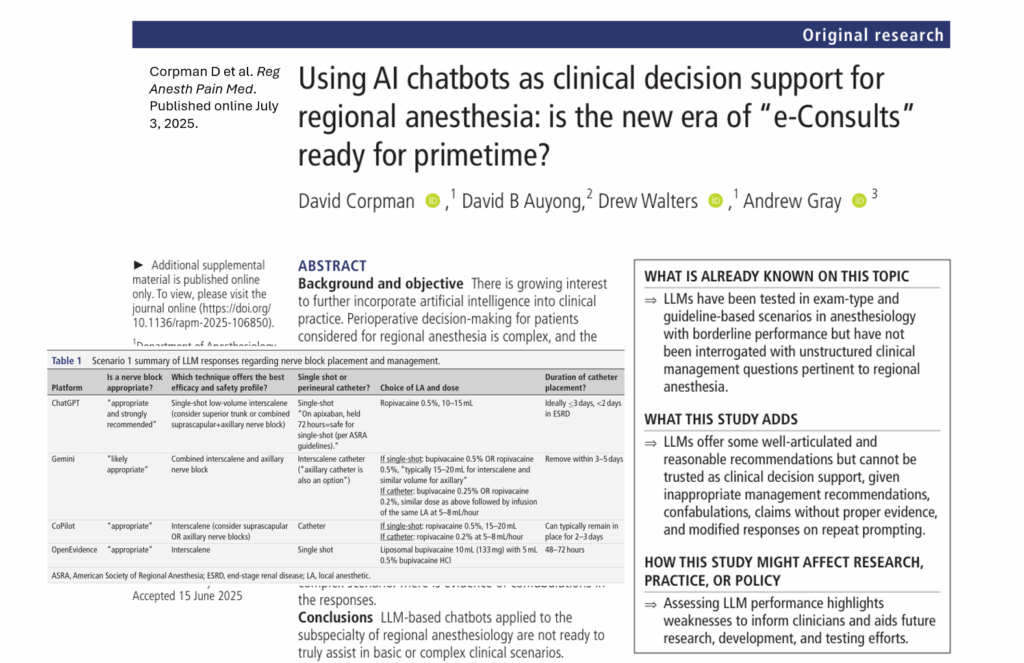
AI Chatbots in Regional Anesthesia: Hype or Help?
Artificial intelligence (AI) is rapidly transforming healthcare. Within anesthesiology, AI already plays a role in image detection for ul...
-
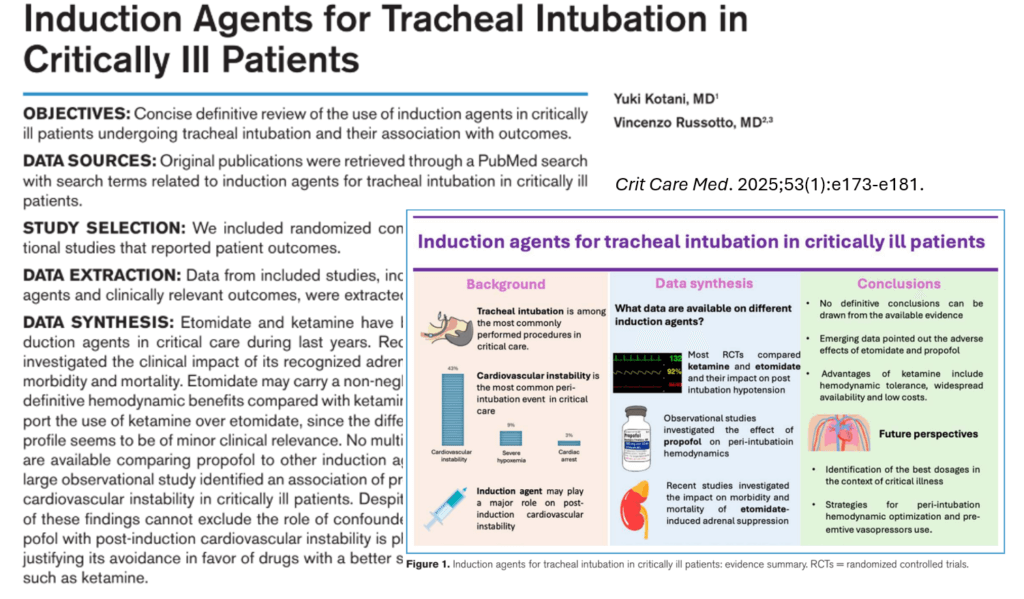
Optimal Induction Agents for Intubation in Critically Ill Patients
Tracheal intubation is a common yet high-risk procedure in critically ill patients due to their fragile physiology and reduced reserve. C...
-
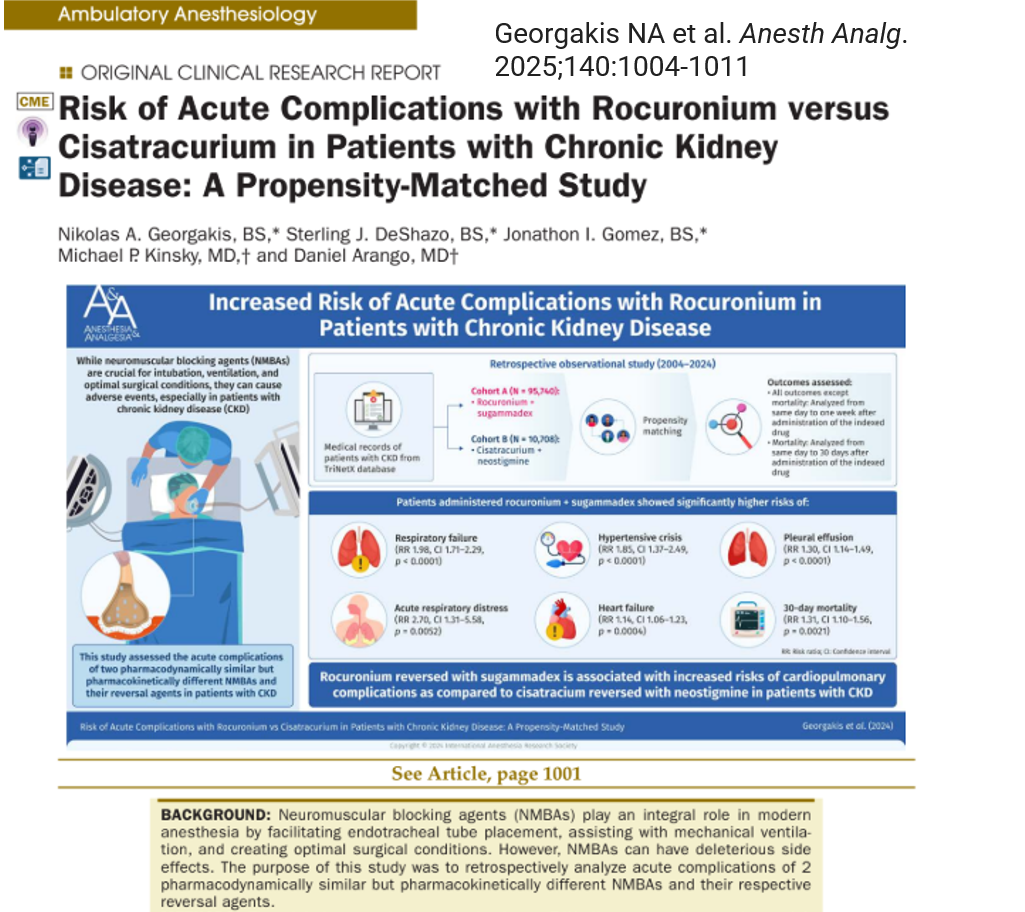
Neuromuscular Blockade in Patients with Chronic Kidney Disease
Chronic kidney disease (CKD) affects more than 10% of the global population and significantly alters pharmacokinetics, especially the cle...
-

Alert: Infections from non-sterile ultrasound gel!
On 13 May 2025, the U.S. Centers for Disease Control and Prevention (CDC) warned of Paraburkholderia fungorum infections traced to two lo...
-
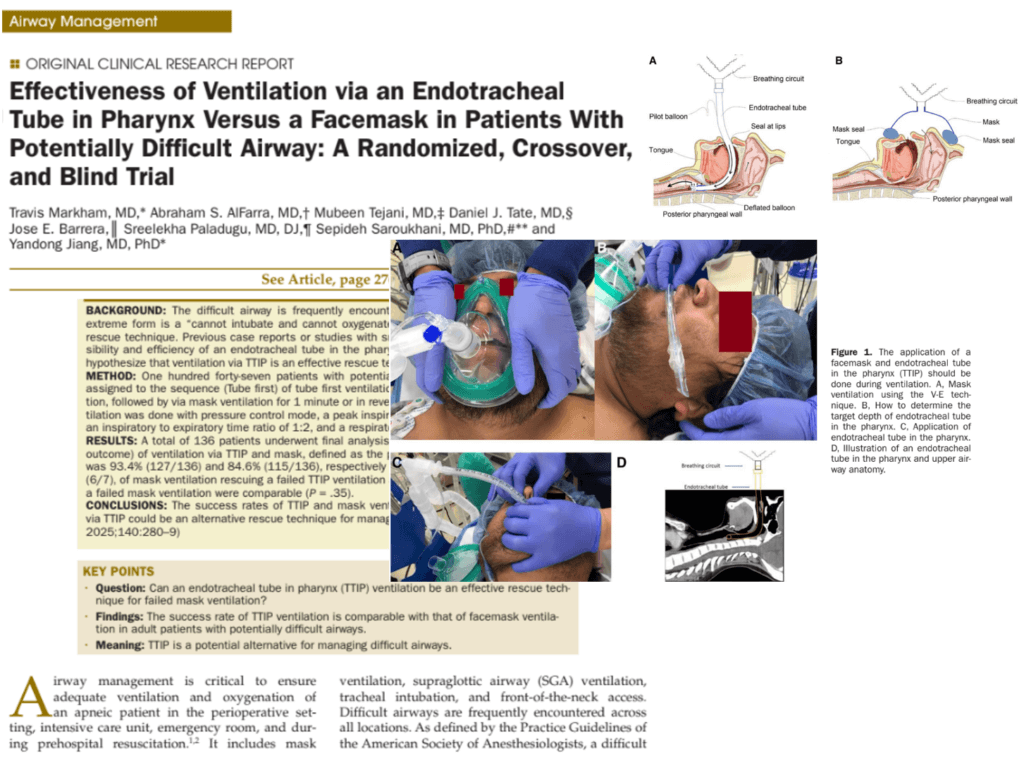
Pharyngeal Endotracheal Tube Ventilation (TTIP) in Difficult Airways
Management of the difficult airway is a cornerstone of safe anesthesia practice. While modern devices like video laryngoscopes and suprag...
-
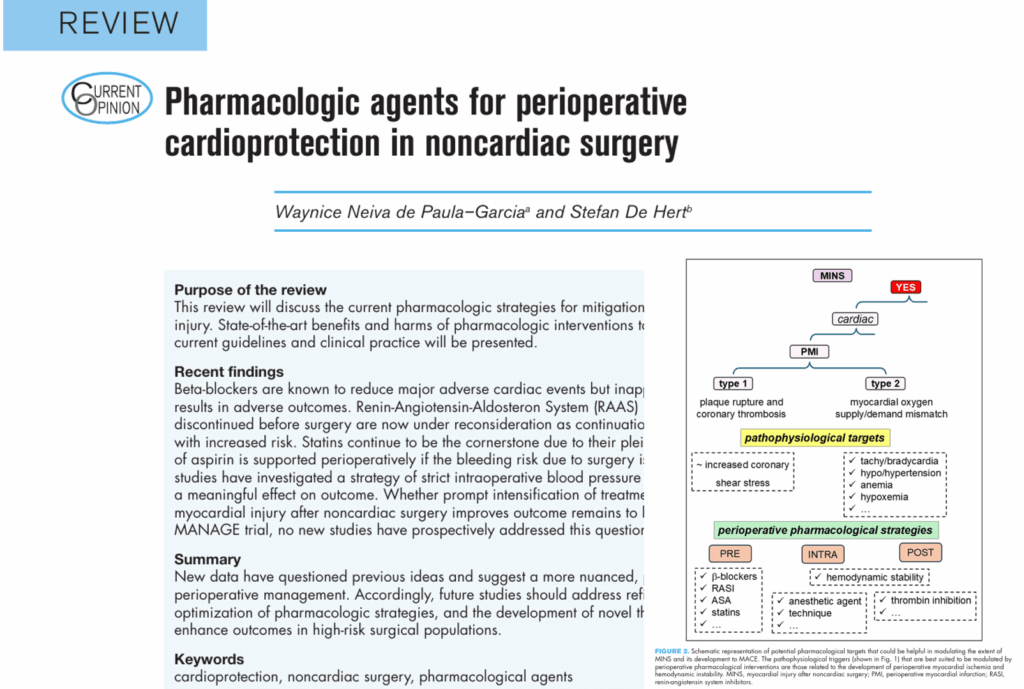
Perioperative Cardioprotection in Noncardiac Surgery
Myocardial injury after noncardiac surgery (MINS) occurs in up to 20% of patients and is associated with a marked increase in 1-year mort...
-
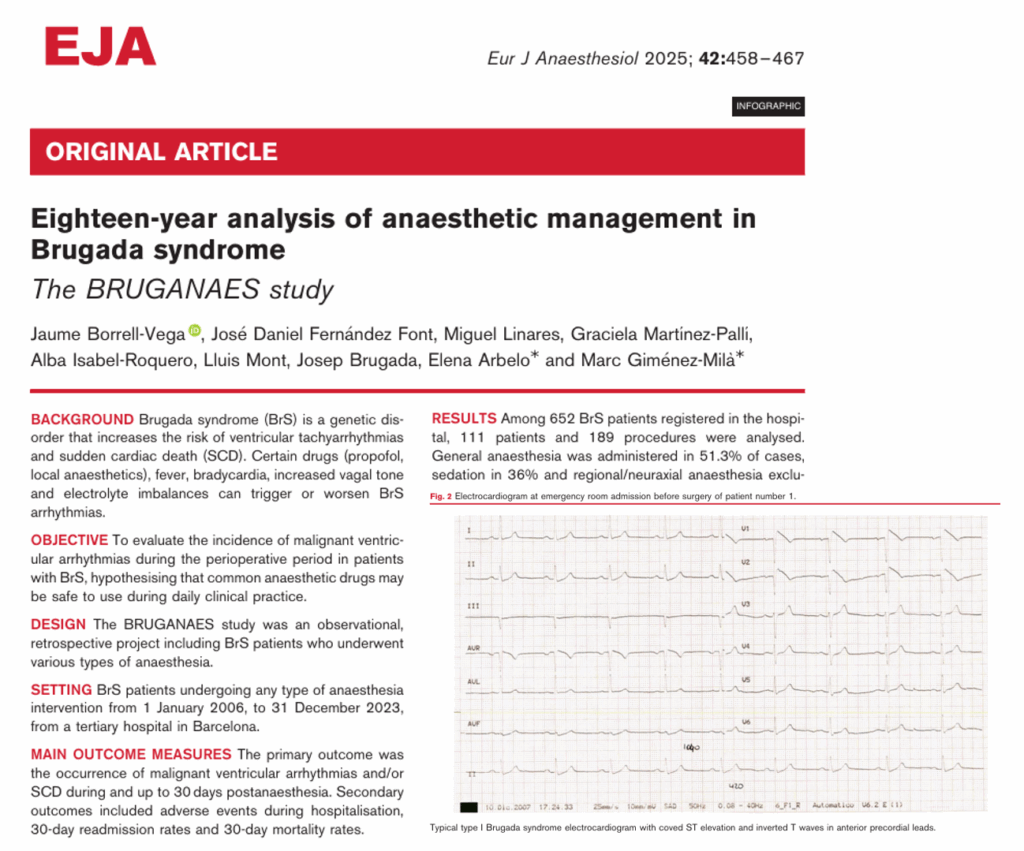
Anesthesia in Brugada Syndrome
Brugada syndrome (BrS) is a rare but potentially lethal cardiac channelopathy associated with ventricular arrhythmias and sudden cardiac...
-
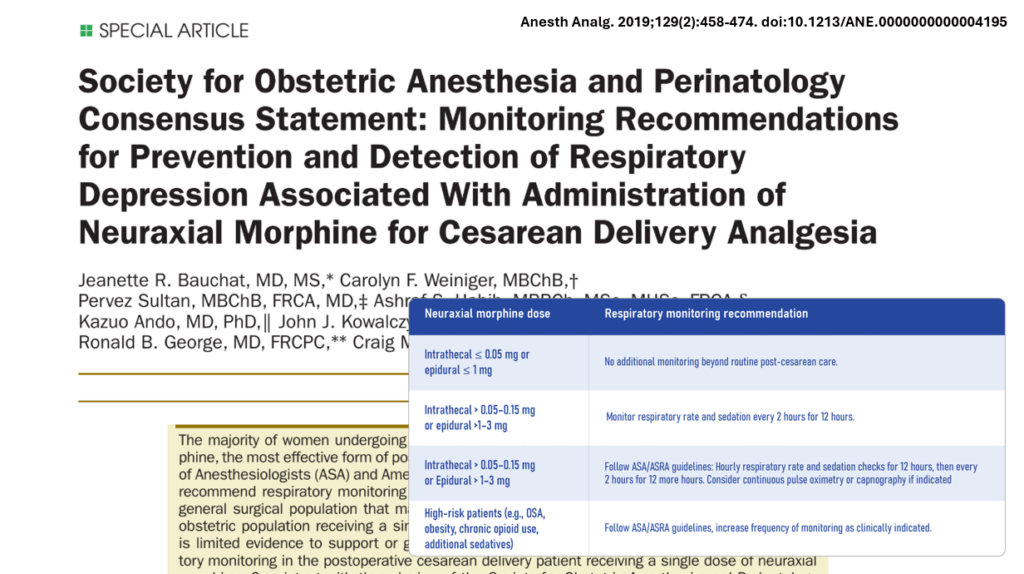
Neuraxial morphine and cesarean delivery
Neuraxial morphine remains the gold standard for post-cesarean analgesia, offering superior pain relief while minimizing systemic opioid...
-
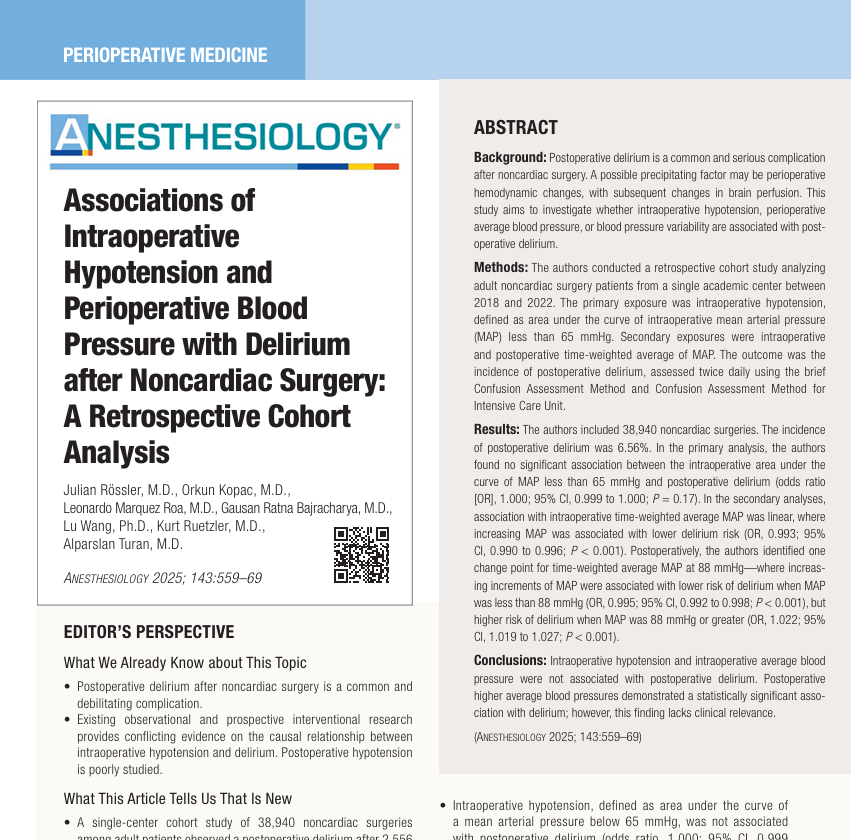
Perioperative Blood Pressure and Postoperative Delirium
Postoperative delirium (POD) is one of the most common and impactful complications in surgical patients, particularly older adults. Affec...
-
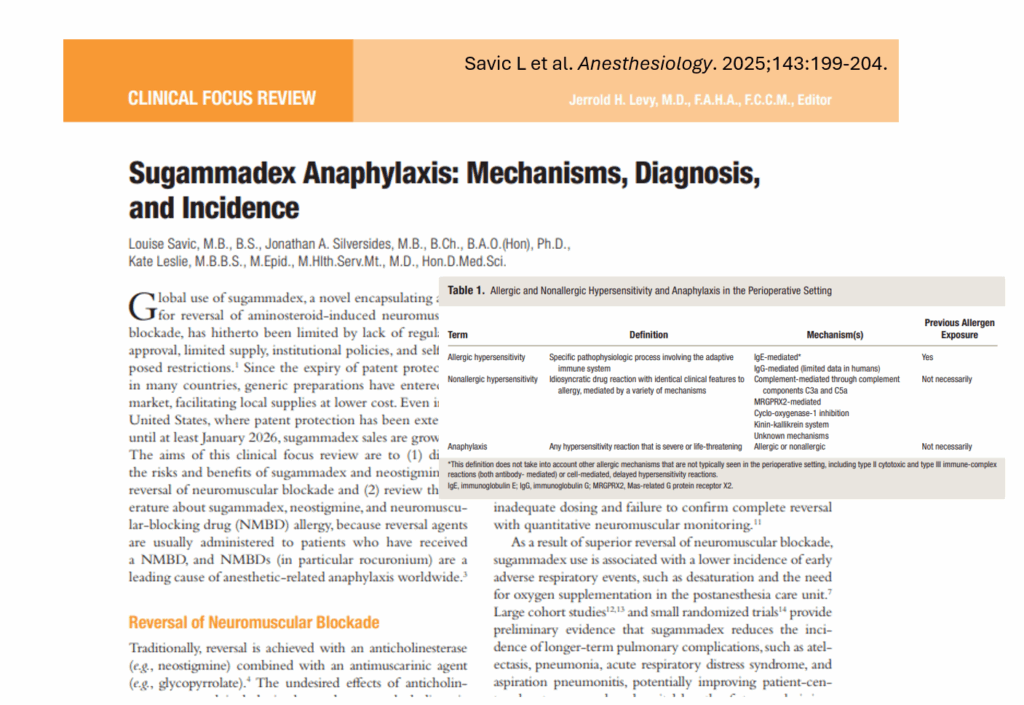
Sugammadex and Anaphylaxis
The introduction and growing global use of sugammadex, a selective relaxant binding agent, have significantly advanced the reversal of am...
-
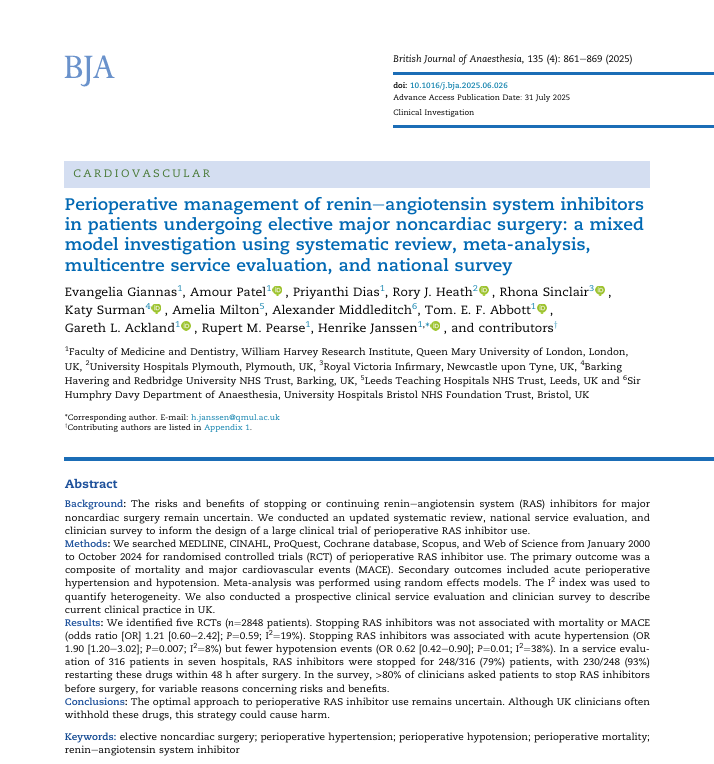
Managing RAS Inhibitors Around Major Noncardiac Surgery
Renin–angiotensin system (RAS) inhibitors, including ACE inhibitors and angiotensin receptor blockers (ARBs), are widely prescribed for c...
-
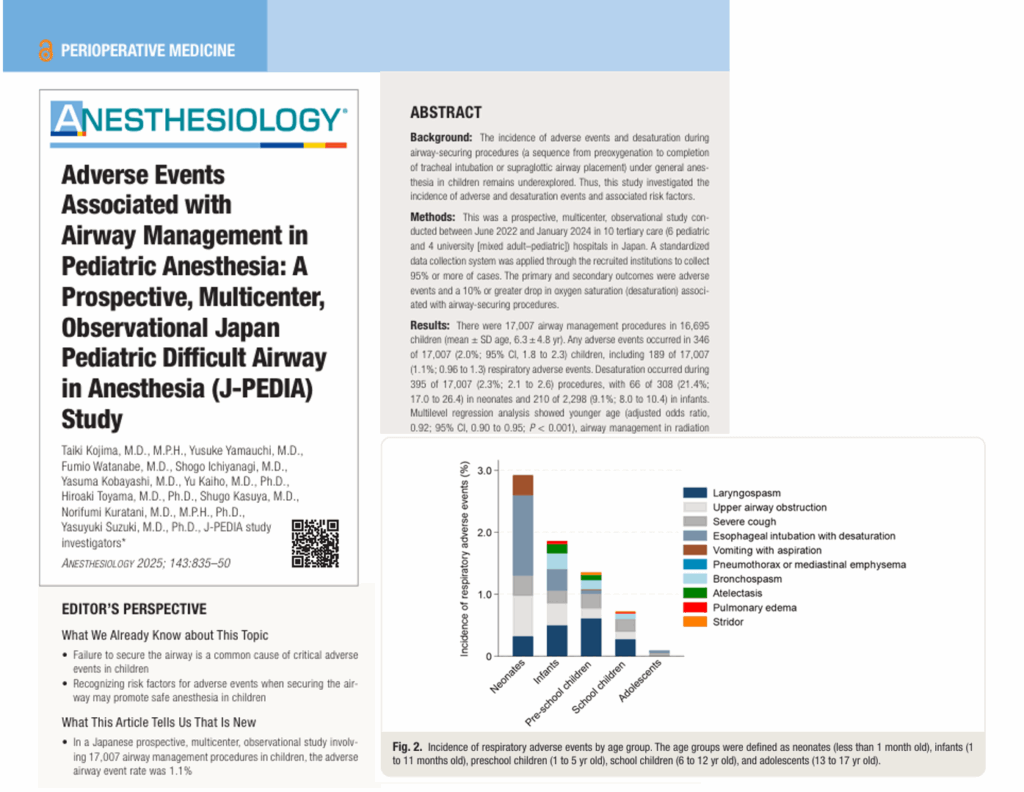
Airway Management in Pediatric Anesthesia
Airway management is a cornerstone of safe anesthesia practice, particularly in pediatric patients, who are at higher risk for perioperat...
-
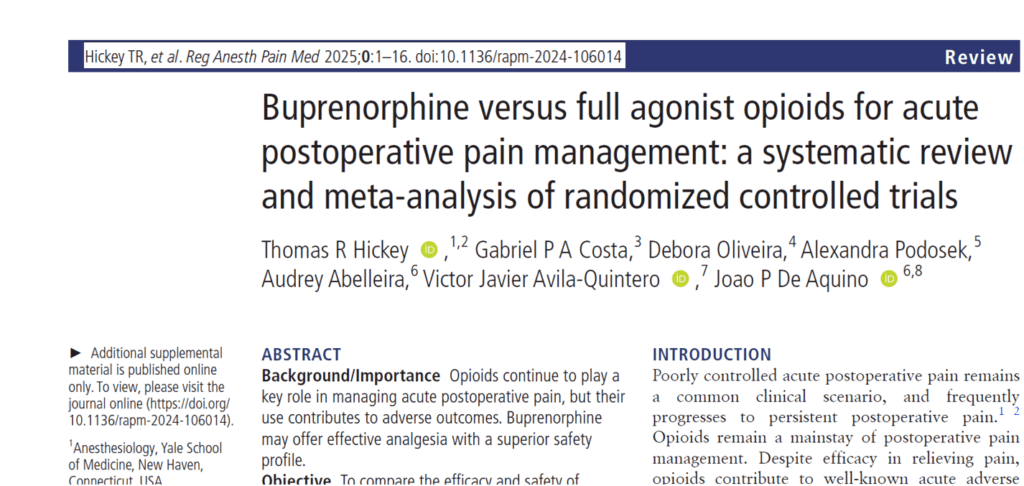
Buprenorphine or full agonist opioids for acute postoperative pain management
Buprenorphine is emerging as a superior alternative to full agonist opioids (FAOs) for managing acute postoperative pain. With longer-las...
-

2025 ASA Practice Advisory on Perioperative Care
The 2025 ASA Practice Advisory on Perioperative Care of Surgical Patients highlights key strategies to optimize outcomes in older adults...
-

Regional anesthesia and antithrombotic therapy: 2025 ASRA PM guidelines update
The 2025 ASRA PM guidelines update on regional anesthesia in anticoagulated patients introduces refined risk stratification, revised anti...
-
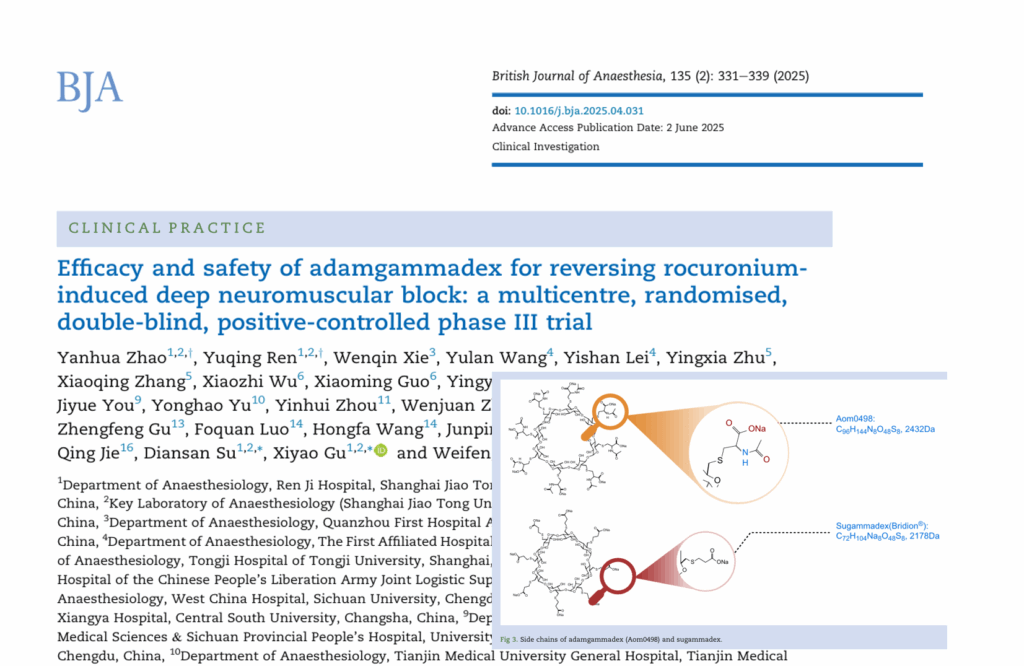
Adamgammadex or Sugammadex?
The ability to safely and rapidly reverse deep neuromuscular blockade (NMB) is crucial to modern anesthesia, particularly in minimally in...
-
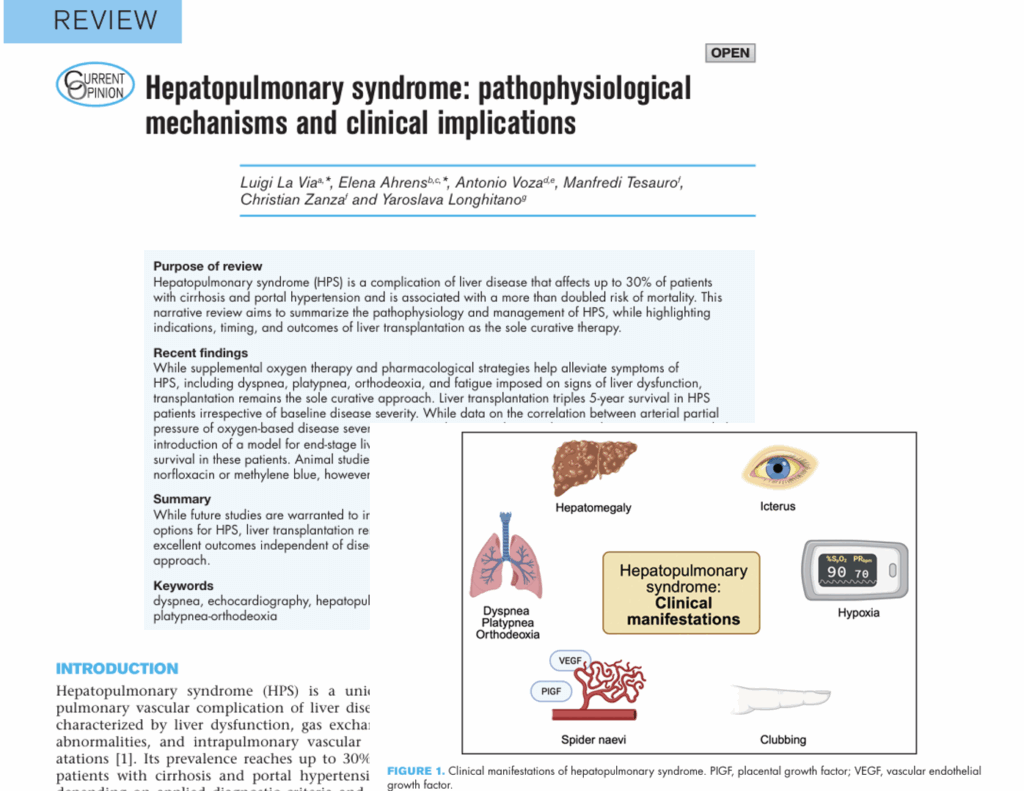
Hepatopulmonary Syndrome
Hepatopulmonary syndrome (HPS) is a potentially life-threatening complication of chronic liver disease, affecting up to 30% of patients w...
-
NYSORA Launches the Anesthesia Updates app: Your Trusted 2025 Updates Hub
Master vein vs. artery differences for safer IV access!
-
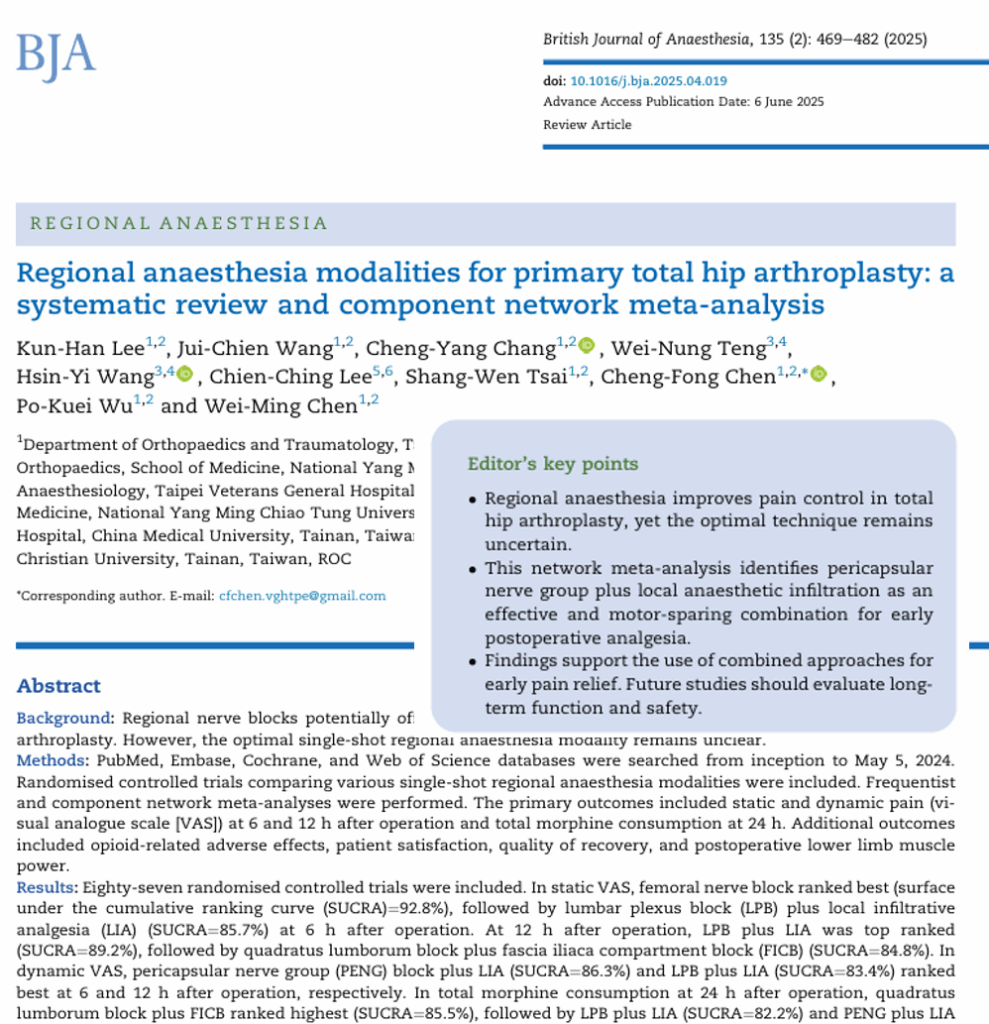
Single-Shot Regional Anesthesia for Primary Total Hip Arthroplasty
Total hip arthroplasty (THA) is one of the most frequently performed and rapidly growing surgical procedures, projected to exceed one mil...
-
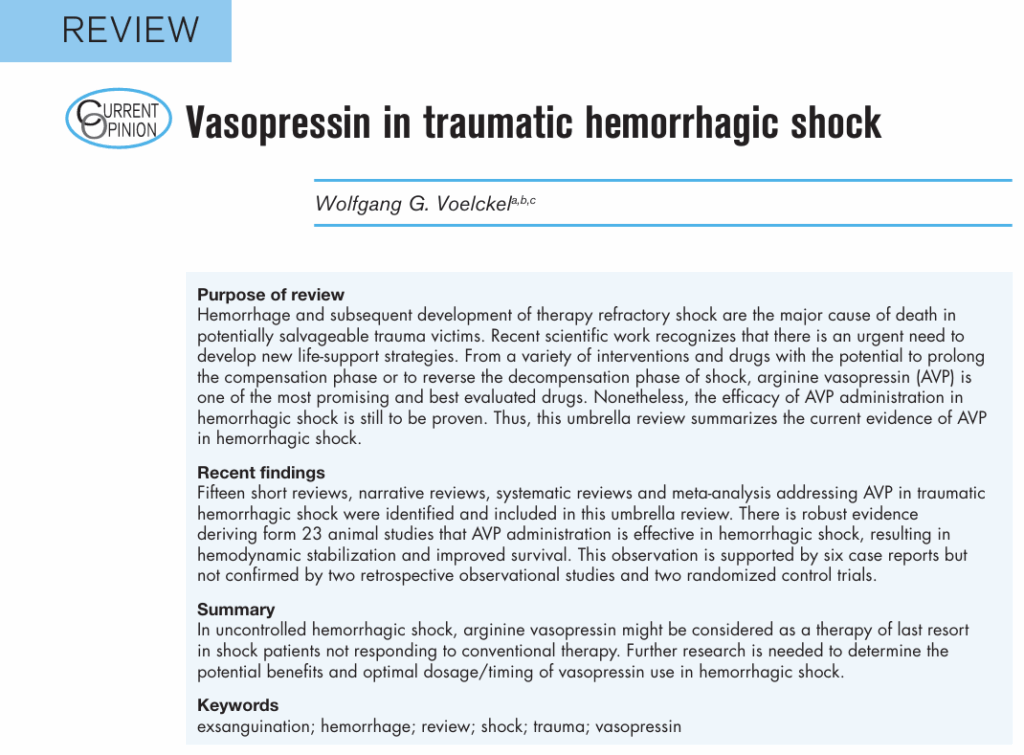
Vasopressin in Traumatic Hemorrhagic Shock
Hemorrhagic shock from trauma remains a leading cause of preventable death in both civilian and military settings. When fluid resuscitati...
-
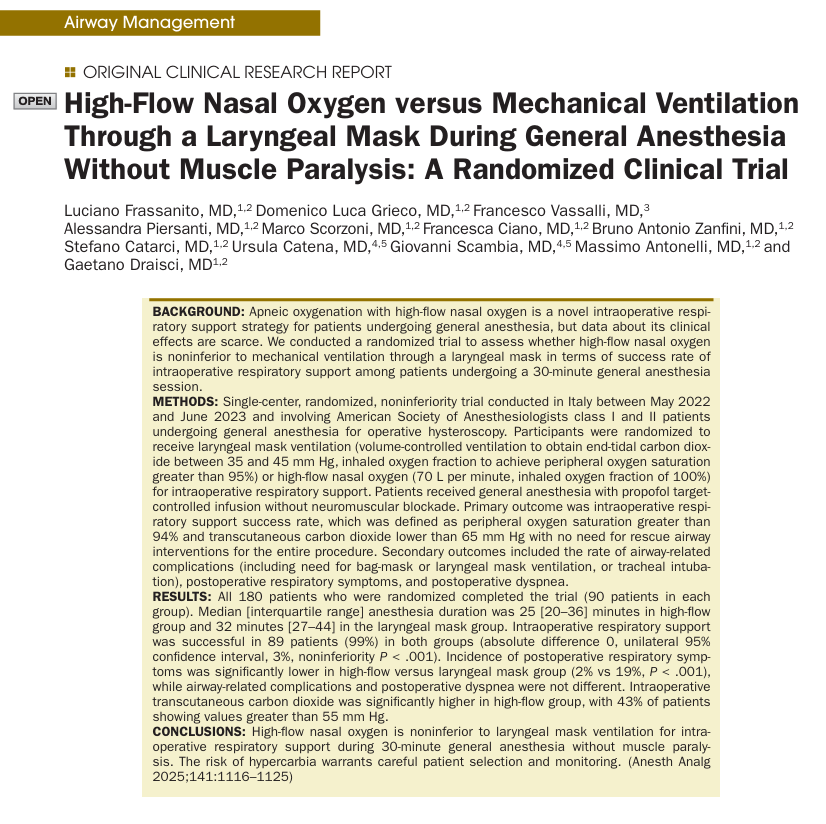
HFNO or LMV During GA Without Muscle Paralysis
Airway management is a critical component of anesthetic care. Traditional methods such as laryngeal mask ventilation (LMV) are widely use...
-
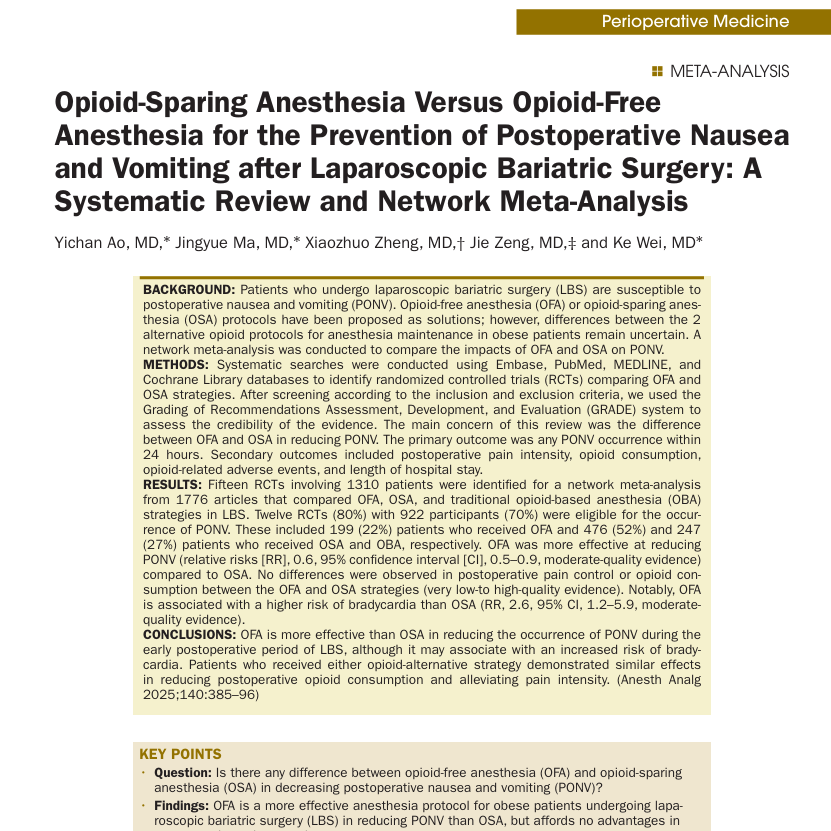
OFA vs OSA for PONV in Bariatric Surgery
Postoperative nausea and vomiting (PONV) remains a pervasive and distressing complication after laparoscopic bariatric surgery (LBS), aff...
-
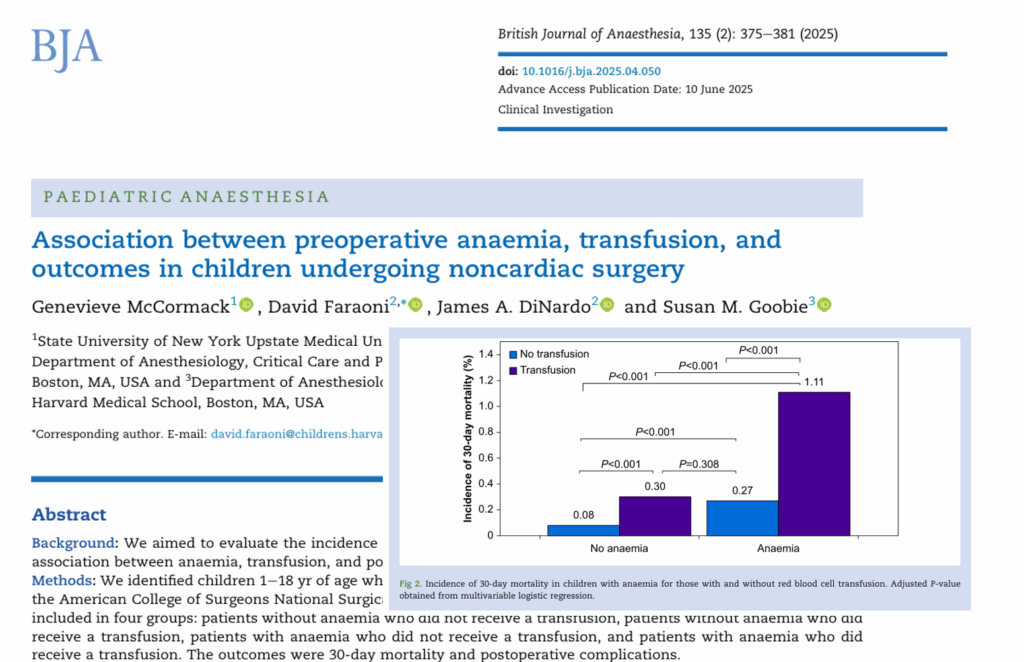
Preoperative Anemia & Blood Transfusion in Children
Preoperative anemia is the most common hematologic abnormality in children, affecting nearly one in four globally. While its impact has b...
-
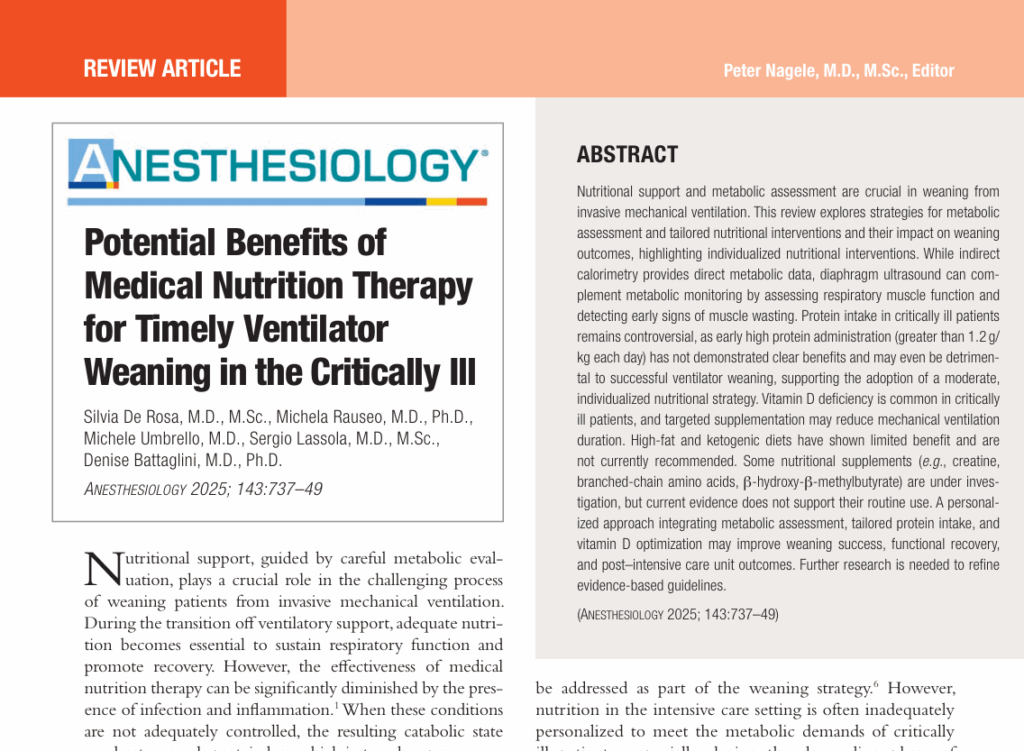
Medical Nutrition Therapy for Ventilator Weaning in the Critically Ill
Weaning critically ill patients from invasive mechanical ventilation (IMV) is a high-stakes clinical challenge. The success of this trans...
-
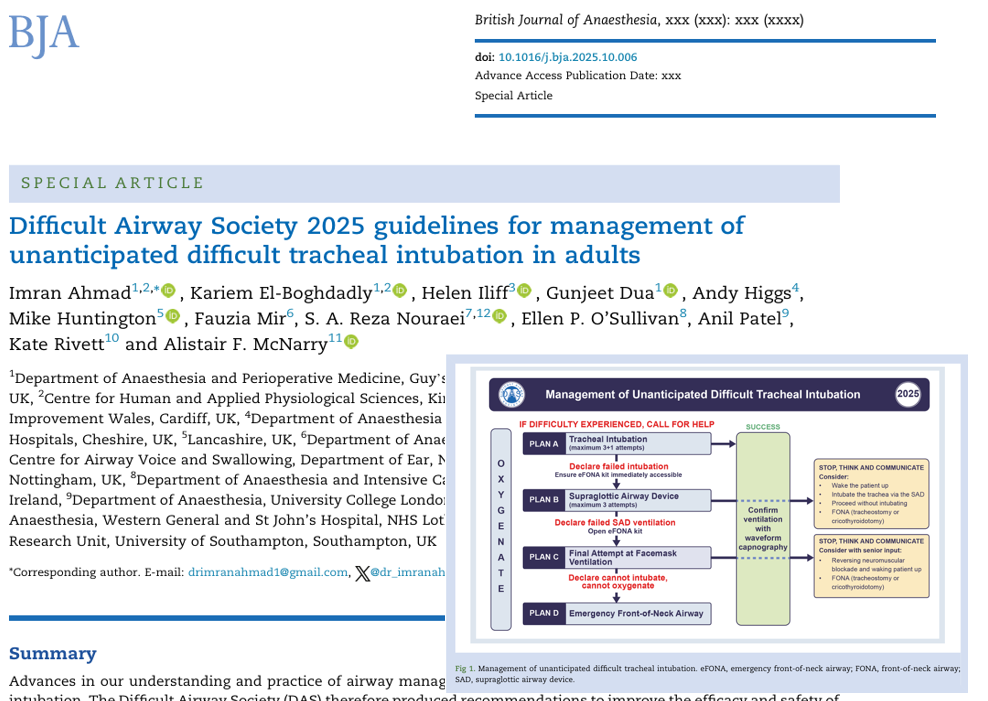
Unanticipated Difficult Tracheal Intubation: DAS Guidelines
Unanticipated difficult airway scenarios continue to pose significant risks, despite decades of guideline development and technological a...
-
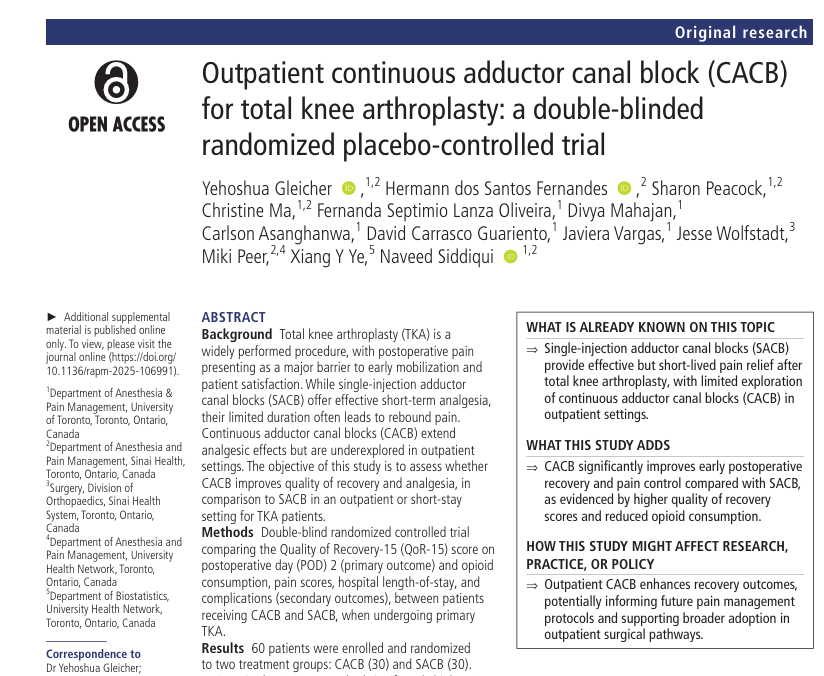
Outpatient Continuous Adductor Canal Block (CACB) for TKA
Total knee arthroplasty (TKA) is one of the most commonly performed orthopedic procedures globally. However, severe postoperative pain re...
-
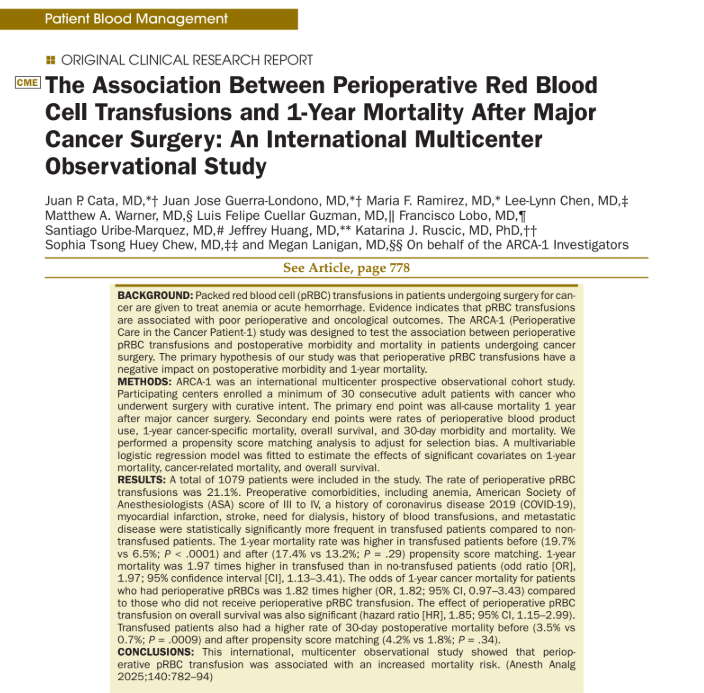
Perioperative Blood Transfusions in Cancer Surgery
As the global burden of cancer rises, the number of patients undergoing surgery with curative intent is expected to surpass 20 million an...
-
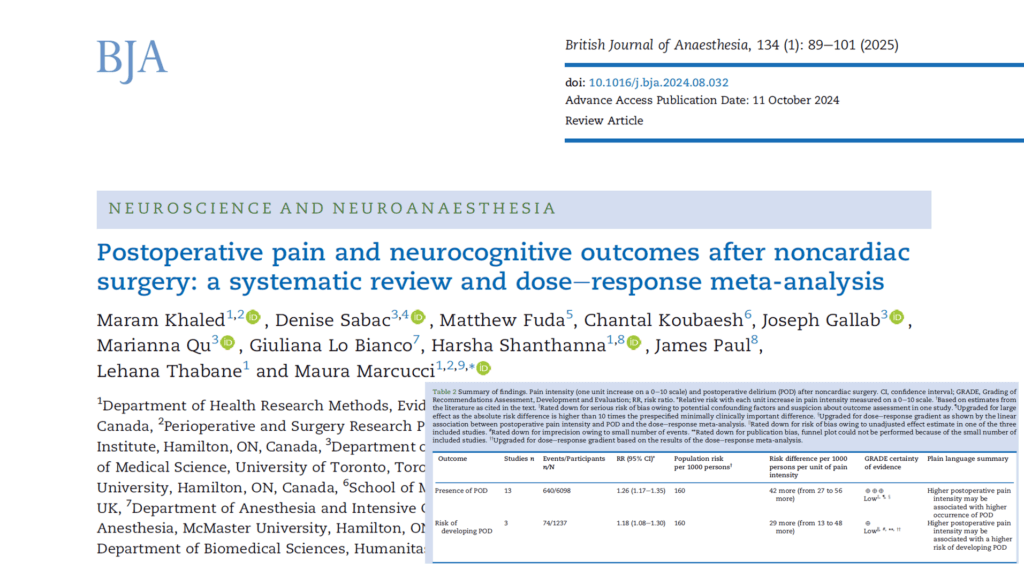
Postoperative Pain and Neurocognitive Outcomes After Noncardiac Surgery
Pain is one of the most common and distressing postoperative symptoms. Yet, it is frequently under-recognized as a potential contributor...
-

Infection control in regional anesthesia and pain medicine
Infections related to regional anesthesia and interventional pain procedures can result in serious complications, including prolonged rec...
-
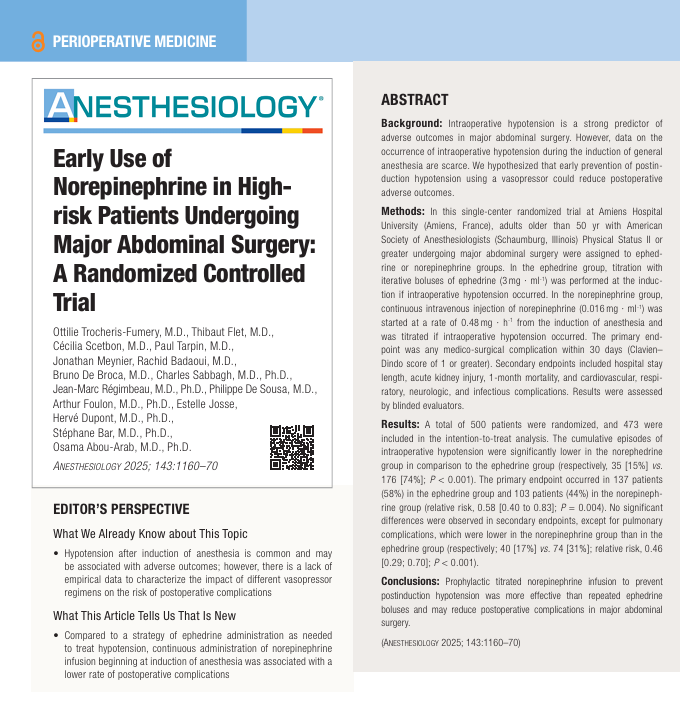
Early Use of Norepinephrine in High-Risk Patients
Intraoperative hypotension, particularly following the induction of general anesthesia, is a common and often underestimated hemodynamic...
-
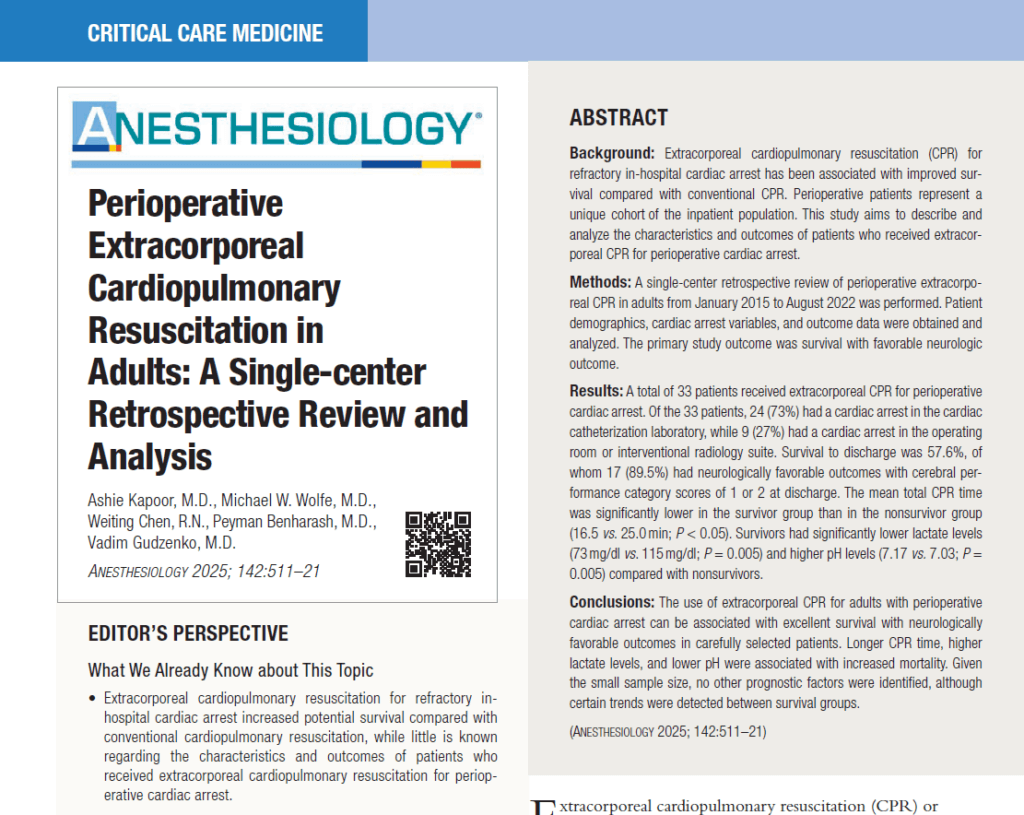
Perioperative Extracorporeal Cardiopulmonary Resuscitation (ECPR)
Perioperative extracorporeal cardiopulmonary resuscitation (ECPR) is emerging as a lifesaving intervention for refractory cardiac arrest...
-
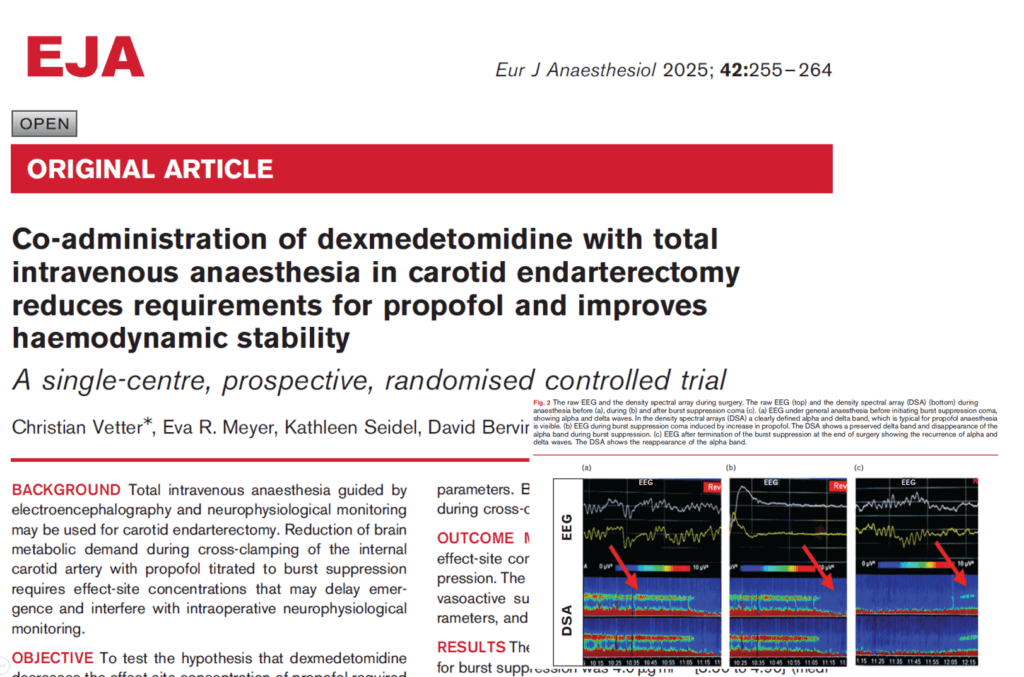
Dexmedetomidine and TIVA In Carotid Endarterectomy
Carotid endarterectomy (CEA) is a crucial surgical intervention aimed at preventing stroke in patients with carotid artery stenosis. Give...
-
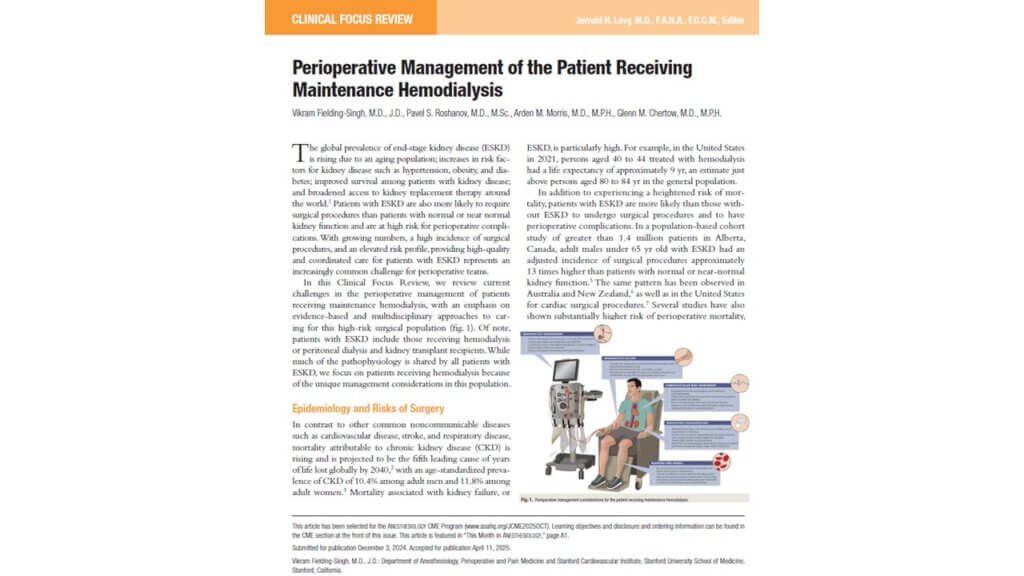
Perioperative management of the patient on maintenance hemodialysis
End-stage kidney disease (ESKD) is rising globally, largely driven by an aging population and a surge in diabetes, hypertension, and obes...
-
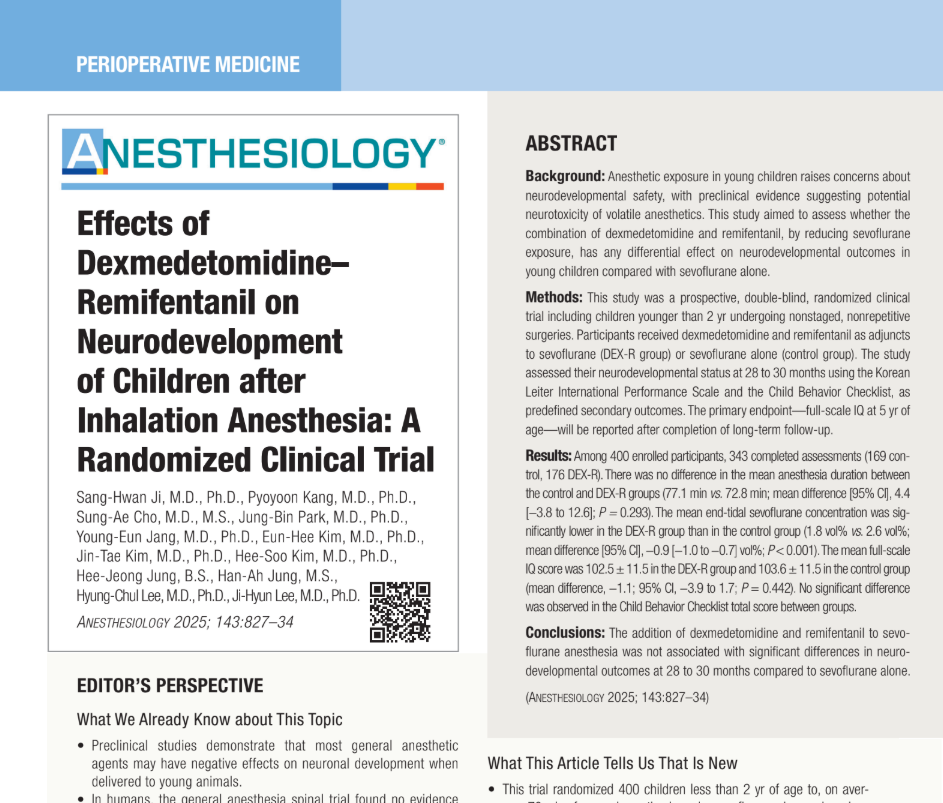
Dexmedetomidine–remifentanil and infant neurodevelopment
Concerns about the potential neurotoxicity of anesthetic agents in early childhood have spurred significant debate in pediatric anesthesi...
-
Gastric emptying in pregnancy
Delayed gastric emptying in pregnancy increases the risk of aspiration, especially during labor and cesarean delivery. This update explor...